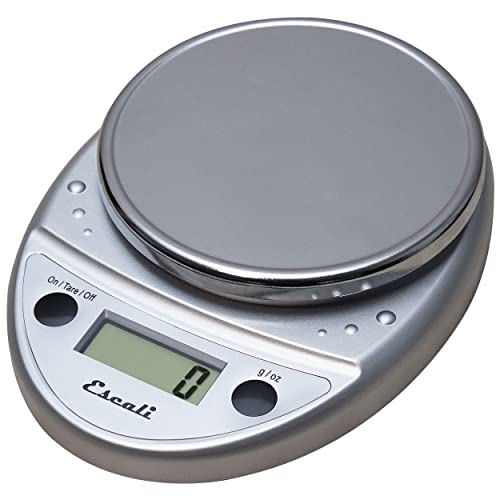
Inconsistent readings often come from low battery, uneven surfaces, dirt, or calibration drift.
- Fix it by replacing the battery, cleaning, and recalibrating with a known weight.
- If problems persist, the load cell is likely faulty, and replacement is more cost-effective than repair.
Why does my kitchen scale give inconsistent readings?
Inconsistent readings usually stem from four common causes. Low battery power is a frequent culprit, as voltage drops affect sensor accuracy. Uneven or soft surfaces can also cause the scale to flex, altering readings. Dirty sensors or debris under the platform can block proper weight transfer. Finally, calibration drift happens over time, especially with frequent use or temperature changes.
How to fix a kitchen scale that gives inconsistent readings
Start by replacing the battery with a fresh one, preferably lithium for stable voltage. Next, place the scale on a hard, flat surface like a granite countertop or cutting board. Clean the scale's platform and sensors with a damp cloth, avoiding submerging it. Then, perform a calibration: turn the scale on, press the calibration button (often labeled CAL or MODE), and follow the instructions using a known weight, like a dumbbell or a bag of flour. If your scale lacks a calibration mode, use a coin or weight whose mass you know. After calibrating, test with the same object multiple times to check consistency. If readings still fluctuate, the load cell may be damaged, and it's time to consider a replacement.
How to prevent inconsistent readings in the future
Always store your scale on a flat surface, not leaning against something. Avoid exposing it to extreme temperatures or humidity, which can warp components. Use the scale on the same surface each time for consistency. Keep the platform clean and free of crumbs or spills. Replace the battery every six months or when you notice sluggish response. Recalibrate monthly or after moving the scale to a new location.
When should you replace your kitchen scale instead of fixing it?
If you've tried battery, surface, cleaning, and calibration fixes with no improvement, the load cell is likely faulty. Load cells are the core sensor and rarely repairable. Compare the cost of a new scale to a repair; most repairs cost more than a budget scale. Also, if the scale gives wildly different readings for the same object, it's unsafe for baking where precision matters. Replace it if it's over five years old, as sensor drift becomes common. Look for a model with a known calibration feature and positive owner reviews.