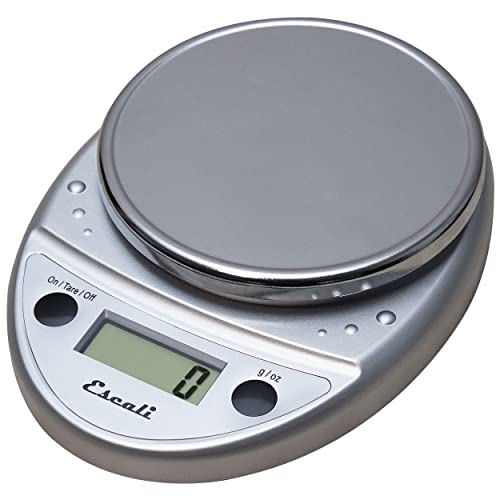
Kitchen ScalesProblem / fix
How to Fix a Kitchen Scale That Gives Wrong Readings
First, replace the batteries and recalibrate using the scale's calibration mode. Clean the platform and ensure it's on a flat, stable surface. If readings remain inconsistent, check for damage or overload history. Many scales have a reset function. Consult the manual for specific steps.
5 min read
Replace batteries first; low power is the top cause of errors.
- Recalibrate regularly using a known weight.
- Keep the scale clean and on a flat, hard surface.
- Replace the scale if problems persist after troubleshooting.
Why does my kitchen scale give inconsistent readings?
Battery voltage drops cause erratic readings. Low batteries are the most common culprit. Uneven or soft surfaces shift the load. Temperature changes affect internal sensors. Dirty or greasy platforms interfere with weight distribution. Overloading the scale can permanently damage the load cell.
How do I fix a kitchen scale that gives wrong readings?
Start by replacing the batteries with fresh ones. Place the scale on a hard, flat surface. Remove any debris or residue from the platform. Turn the scale on and let it warm up for a minute. Use the calibration function with a known weight, like a coin or dumbbell. If no calibration mode exists, press and hold the ON button for a few seconds to reset. Test with a standard weight to verify accuracy.
How can I prevent my kitchen scale from giving wrong readings?
Store the scale in a dry, temperature-stable place. Avoid leaving batteries in for long periods without use. Clean the platform after each use with a damp cloth. Never place heavy items beyond the scale's capacity. Recalibrate every few months or after moving the scale.
When should I replace my kitchen scale instead of fixing it?
If calibration and cleaning don't solve the problem, the load cell may be faulty. Persistent drift after battery replacement suggests internal damage. Cracks or corrosion on the platform are signs of wear. If the scale is over five years old, replacement is often more cost-effective. Check if the manufacturer offers a warranty or repair service.
What are the best practices for using a kitchen scale accurately?
Always place the scale on a level surface before turning it on. Use the tare function to zero out containers. Avoid touching the scale while it's weighing. Keep the scale away from heat sources and drafts. Use the same surface for each measurement to maintain consistency.
Common questions
How do I calibrate my kitchen scale?
Most digital scales have a calibration mode. Press and hold the CAL or MODE button until the display shows 'CAL'. Place a known weight, like a 100g weight, on the platform. Wait for the display to show the correct value. Some scales require a specific weight, so check the manual.
Why does my kitchen scale show different weights for the same item?
This usually indicates a low battery or an uneven surface. Recalibrate after replacing batteries. Also, ensure the item is placed in the center of the platform. Temperature changes can also cause drift.
Can a kitchen scale be repaired?
Yes, but it's often not worth it. Simple fixes like battery replacement or cleaning are easy. If the load cell is broken, replacement parts are rarely available. In most cases, buying a new scale is more practical.
How often should I calibrate my kitchen scale?
Calibrate every few months or whenever you notice inconsistencies. Also calibrate after moving the scale or changing batteries. Frequent use may require more frequent calibration.
What is the best way to test if my kitchen scale is accurate?
Use a known weight, such as a standard calibration weight or a new coin. Place it on the scale and compare the reading. If it's off by more than a gram, recalibrate or replace the scale.
Is it worth buying an expensive kitchen scale?
Expensive scales often have better accuracy and durability. They may offer higher capacity and finer increments. For occasional use, a budget scale may suffice. For baking or coffee brewing, a precise scale is worth the investment.
Can a kitchen scale give wrong readings if it's not level?
Yes, an uneven surface causes inaccurate readings. Always place the scale on a flat, stable surface. Some scales have a bubble level to help. If the surface is soft, like a towel, the scale will sink and give wrong weights.
Does temperature affect kitchen scale accuracy?
Yes, extreme temperatures can affect the load cell. Avoid using the scale near ovens or in direct sunlight. Let the scale acclimate to room temperature before use. Sudden temperature changes can cause drift.