Reader-supported: we earn a commission on some links, at no extra cost to you. It never changes our picks. How this works
Kitchen ScalesProblem / fix

How to Stop Kitchen Scale Drift During Use

Place the scale on a flat, stable surface and ensure it's level. Calibrate it with a known weight, then zero it before each use. Avoid drafts, temperature changes, and touching the platform. If drift persists, check the batteries and clean the sensors.

Our top pick
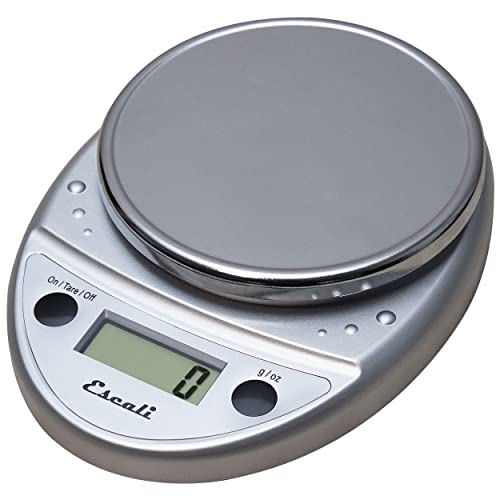
Escali Primo Digital Kitchen Scale
★★★★★ 4.7
Check price on Amazon
Read the full guide →

Place the scale on a flat, stable surface and ensure it's level.

  • Calibrate and zero the scale before each use with a known weight.
  • Keep the scale away from drafts, temperature changes, and vibrations.
  • Replace batteries and clean sensors regularly to maintain accuracy.

Why does my kitchen scale drift during use?

Drift happens when the reading changes without adding or removing weight. Common causes include uneven surfaces, air currents, and temperature shifts. Battery issues and sensor contamination also play a role. Even slight movements or vibrations can trigger drift. Understanding these causes helps you fix the problem quickly.

How to fix a drifting kitchen scale

Start by placing the scale on a hard, flat surface like a countertop or cutting board. Use a bubble level to check it's perfectly horizontal. Calibrate the scale with a known weight, such as a dumbbell or a bag of flour. Zero the scale before each use by pressing the tare button. If drift continues, replace the batteries with fresh ones. Clean the sensors gently with a dry cloth, avoiding moisture. Finally, ensure the scale is away from vents, fans, or direct sunlight.

How to prevent kitchen scale drift

Always store the scale in a dry, temperature-stable place. Avoid placing it near heat sources or windows. Use a dedicated spot for weighing to minimize movement. Keep the platform clean and free of debris. Check the batteries regularly, even if the scale seems fine. Consider using a scale with a higher capacity for heavy items, as overloading can cause drift. Follow the manufacturer's instructions for calibration and maintenance.

When should you replace your kitchen scale?

If drift persists after cleaning, calibrating, and changing batteries, the scale may be faulty. Dropping the scale or exposing it to moisture can damage the load cells. Over time, sensors wear out and become less accurate. If the scale gives inconsistent readings across multiple tests, it's time to replace it. A new scale is often more reliable and may offer better features like auto-calibration.

Can you fix a scale that keeps drifting?

Yes, many drift issues are fixable with simple troubleshooting. Start with the steps above, as most problems stem from user error or environment. If the scale has a calibration mode, use it with a certified weight. Some scales allow manual calibration with coins or weights. However, if the sensor is damaged, repair may not be cost-effective. In that case, buying a new scale is the better option.

Common questions

How do I calibrate my kitchen scale?

Most digital scales have a calibration mode. Press the calibration button, then place a known weight on the platform. Wait for the reading to stabilize. Refer to your manual for specific steps, as they vary by model.

What causes a kitchen scale to give inconsistent readings?

Inconsistent readings often come from uneven surfaces, low batteries, or sensor contamination. Temperature changes and air currents can also affect accuracy. Check these factors first before assuming the scale is broken.

Can a kitchen scale drift due to temperature?

Yes, temperature changes can affect the load cells inside the scale. Sudden shifts cause the metal to expand or contract, altering readings. Keep the scale in a stable environment and let it acclimate if moved.

Is it normal for a kitchen scale to drift slightly?

A tiny drift of a gram or two may be normal, especially with cheaper models. However, significant drift that affects your recipe is not acceptable. If it happens often, investigate the causes and fix them.

How often should I calibrate my kitchen scale?

Calibrate your scale every few months or whenever you notice drift. If you use it daily, monthly calibration is wise. Always calibrate after moving the scale to a new location.

What is the best way to clean a kitchen scale?

Use a soft, dry cloth to wipe the platform and body. Avoid water or cleaners that can seep into the electronics. For stubborn residue, slightly dampen the cloth and dry immediately. Never submerge the scale.

Can I use a kitchen scale on a cutting board?

Yes, a cutting board provides a flat, stable surface. Ensure the board itself is level and not warped. Avoid using soft surfaces like towels, which can absorb weight and cause drift.

Does a kitchen scale need to be level?

Yes, a level surface is crucial for accurate readings. If the scale is tilted, the load cells distribute weight unevenly. Use a bubble level or check with a known weight to confirm.

More in this topic

More in Kitchen Scales

See the full guide →