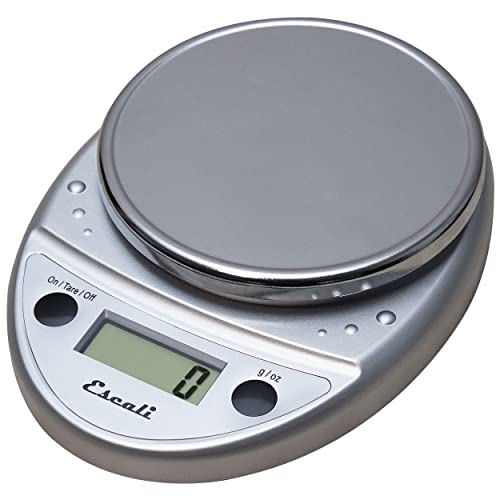
Place the scale on a flat, stable surface and let it warm up.
- Calibrate regularly with a known weight.
- Keep the scale away from drafts, temperature changes, and vibrations.
- Replace batteries if drift persists.
- If drift continues after fixes, consider replacing the scale.
Why does my kitchen scale keep drifting?
Drifting means the displayed weight changes without you adding or removing anything. The most common cause is an unstable surface, like a warped countertop or a cutting board. Temperature changes also expand or contract the load cell, causing readings to shift. Air currents from fans, open windows, or HVAC vents can push on the sensor. Battery issues, such as low voltage or poor contact, lead to erratic readings. Finally, a dirty or damaged sensor area can cause intermittent contact.
How to fix a drifting kitchen scale step by step
First, turn off the scale and remove the batteries for 30 seconds to reset the electronics. Place the scale on a hard, level surface like a granite countertop or a glass cutting board. Wait 30 seconds after turning it on before placing anything on it. Calibrate the scale using a known weight, such as a 500g dumbbell or a bag of flour, following the manual. If drifting persists, clean the sensor area with a dry, soft cloth and ensure the feet are free of debris. Replace batteries with fresh ones, and check that the battery contacts are clean and tight.
How to prevent kitchen scale drift in the future
Always store the scale in a dry, room-temperature place, away from heat or cold. Avoid placing heavy items on the scale when not in use, as this can stress the load cell. Use the scale on the same spot every time, and avoid moving it during weighing. Keep it away from vents, fans, and direct sunlight. Regularly recalibrate, especially after moving or changing batteries. Use a scale with a tare function to zero out bowls, but re-zero before each weighing.
When should you replace your kitchen scale?
If you've tried all fixes and drift continues, the load cell may be permanently damaged. Scales with a maximum capacity of 5 kg or less are often more prone to drift if overloaded. If the scale gives inconsistent readings across multiple calibrations, it's time for a new one. Consider replacing if the scale is older than 5 years, as sensors degrade. If you weigh ingredients for baking, a reliable scale is worth the investment. Look for a model with a high-precision sensor and a stable base.
Can you fix a scale with a faulty load cell?
A faulty load cell is usually not repairable at home. Some scales have a calibration mode that can compensate for minor drift. If the scale is under warranty, contact the manufacturer for a replacement. For expensive scales, a professional repair might be cost-effective, but often it's cheaper to buy a new one. Check if the drift is consistent; if it's linear, calibration might fix it. If not, the sensor is likely beyond repair.