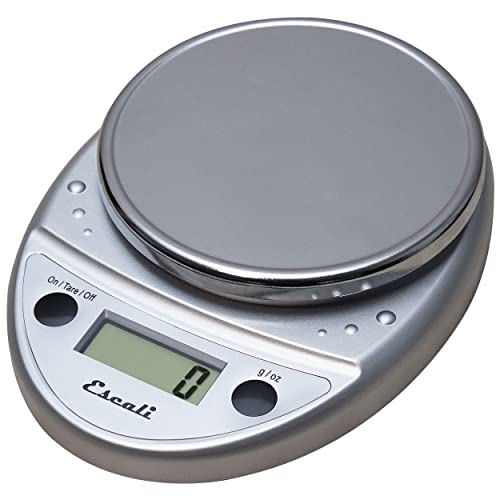
A kitchen scale improves accuracy in baking and cooking, reducing recipe failures.
- It helps with portion control and calorie tracking by weighing food precisely.
- Even a budget digital scale is a worthwhile investment for most home cooks.
What does a kitchen scale actually do?
A kitchen scale measures weight in grams, ounces, or pounds. Digital models show readings on a small screen. Most have a tare function to zero out the container. This lets you add ingredients to the same bowl without dirtying extra dishes. Scales range from pocket-sized to large platform models. Accuracy varies, but most digital scales read within 1 gram.
How accurate are kitchen scales compared to measuring cups?
Measuring cups measure volume, not weight. Flour density changes with humidity and how you scoop. A cup of flour can weigh between 120 and 150 grams. A scale eliminates that guesswork. For baking, weight is the standard in professional recipes. Even for cooking, a scale is more precise for spices and liquids. Owners report fewer failed recipes after switching to weight.
Which kitchen scale should you buy for baking?
Baking demands precision, so look for a scale with 1-gram increments. A capacity of 5 kilograms handles large dough batches. A pull-out display helps when weighing big bowls. Stainless steel surfaces are easy to clean. The OXO Good Grips scale is a popular choice among bakers. It offers 0.1-ounce increments and a removable platform.
Is a kitchen scale worth it for coffee brewing?
Coffee enthusiasts often use scales to measure beans and water. The standard ratio is 1:16 coffee to water. A scale ensures consistency cup after cup. Many coffee scales include a timer for pour-over methods. The Timemore Black Mirror is a favorite for its responsiveness. Even a basic scale beats guessing with a scoop.
What about weighing food for portion control?
If you track calories or macros, a scale is essential. Food labels list serving sizes by weight, not volume. A scale helps you log accurate portions. It also reduces overeating by showing true serving sizes. The Greater Goods digital scale is budget-friendly and reliable. Many users find it easier to stick to diet goals.
Are there any downsides to owning a kitchen scale?
Scales take up counter or drawer space. They need batteries, which die at inconvenient times. Some models have touch buttons that are less responsive. Cleaning can be tricky if liquid gets inside. However, these issues are minor compared to the benefits. Most scales are small enough to store easily.
How do you choose between a cheap and expensive scale?
Price often reflects durability and features. Cheap scales may drift in accuracy over time. Expensive ones offer better build quality and extra functions. Consider how often you cook and bake. A mid-range scale from a known brand is a safe bet. Look for a warranty and positive owner reviews.
Is a kitchen scale worth it for occasional cooks?
Even if you cook rarely, a scale can improve results. It helps with portioning pasta or meat. It also reduces cleanup by using one bowl. You might use it weekly for coffee or bread. A basic scale costs less than a dinner out. For many, it becomes a daily tool.