Juicers
Best juicers compared for real buyers.
61 posts in this topic
Shopping for a juicer? Our juicers guides compare juicer type, juice yield, speed, cleanup so you can match the right juicer to your kitchen and budget without the guesswork.
An honest editorial overview of the Sweetcrispy Cold Press Juicer Machine, a slow masticating juicer, based on its current Amazon listing and published specs.
An honest editorial overview of the TUUMIIST 3-in-1 Cold Press Juicer, a slow masticating machine, based only on its current Amazon listing and published specs.
Searching for a juicer for almond milk? The honest answer is a dedicated nut milk maker. Here is our pick and when each of three machines is right.
A masticating juicer is best for wheatgrass. It crushes grass slowly to extract more juice. Centrifugal juicers clog and oxidize the juice. Choose a single-auger model with a small chute. Top picks include the Omega NC900 and the Aicok slow juicer.
For celery, a masticating juicer is best because it crushes and presses the fibrous stalks, extracting more juice and less foam. Centrifugal juicers work too but produce more pulp and oxidation. Top choices include the Omega NC900 and the Hurom H-AA. They handle celery's toughness without clogging.
Juicing extracts liquid and removes fiber, giving a concentrated nutrient hit. Blending keeps fiber, aiding digestion and fullness. Choose juicing for quick nutrient absorption or a juice cleanse. Choose blending for weight management and overall health. Both are healthy, but blending is more practical for daily use.
A juicer is worth it if you drink fresh juice daily and value nutrient density. It costs more and takes time to clean. If you prefer whole fruits or have limited counter space, skip it. Compare masticating versus centrifugal models first.
The best juicer for leafy greens is a masticating juicer, also called a slow juicer. It crushes greens slowly to extract more juice and nutrients. Centrifugal juicers struggle with fibrous leaves and produce less juice. Choose a masticating model with a wide chute for easier feeding. Top picks include the Omega NC900 and the Hurom H-AA.
You can juice without a juicer using a blender and a strainer. Blend fruits or vegetables with a little water, then strain the pulp through a fine mesh or cheesecloth. For citrus, squeeze by hand or use a citrus press. Root vegetables can be grated and squeezed. These methods work well for most soft produce.
Yes, you can juice oranges in a masticating juicer. These machines crush and press produce slowly, extracting more juice and nutrients than centrifugal models. Oranges work well, though you may need to peel them first. The result is a pulpier, richer juice with less foam.
For leafy greens, a slow masticating juicer is best. It crushes greens efficiently, yielding more juice and less foam. Centrifugal models struggle with fibrous leaves. Look for a low-speed auger, ideally under 80 RPM. Twin-gear juicers excel but cost more. Choose one with a wide chute for whole leaves.
No, you do not need to peel ginger before juicing. The skin is edible and contains extra fiber and nutrients. A good scrub removes dirt and residue. Peel only if the skin is bruised, wrinkled, or if you prefer a milder taste. Most masticating juicers handle unpeeled ginger well.
Yes, you can juice citrus fruits with the peel in most juicers, but the peel adds bitterness. Masticating juicers handle peels better than centrifugal models. Wash the fruit first. Remove seeds and any damaged spots. The white pith contains beneficial compounds but also bitter oils.
For leafy greens and wheatgrass, a masticating juicer is best. It crushes and presses produce, extracting more juice and nutrients. Centrifugal juicers struggle with fibrous greens. Look for slow-speed models with a strong motor. Twin-gear juicers yield the most but cost more.
Masticating juicers crush and press produce slowly to extract more juice and nutrients. Centrifugal juicers shred ingredients at high speed, which generates heat and foam. Slow juicers handle leafy greens and wheatgrass better. Centrifugal models work faster and cost less upfront. Your choice depends on budget, produce variety, and time.
Yes, most juicers remove the insoluble fiber found in whole fruits and vegetables, leaving mainly water, vitamins, and some soluble fiber. The amount removed depends on the juicer type and whether you strain the juice. Masticating juicers tend to retain slightly more fiber than centrifugal ones. You can add pulp back to increase fiber intake.
Juicing extracts liquid from produce, leaving fiber behind, so nutrients absorb faster but you miss fiber. Blending keeps whole fruits and vegetables, retaining fiber and making you feel fuller. Choose juicing for a nutrient boost or blending for weight management and overall health.
For greens and wheatgrass, a slow masticating juicer is best. It crushes and presses produce, extracting more juice from fibrous leaves. Centrifugal juicers spin fast and often clog or produce less juice. Look for a model with a low RPM and a strong motor. Twin-gear juicers work well but cost more.
The easiest juicers to clean are single-auger masticating models with wide chutes and few parts. They have no mesh filters to scrub. Rinse parts under running water. Most are dishwasher safe. Centrifugal juicers have mesh baskets that clog and need brushes. Citrus juicers are simplest but only handle oranges and lemons.
Yes, you can juice frozen fruit in a juicer, but results depend on the machine. Centrifugal juicers handle frozen berries and mango chunks well. Masticating juicers work slower and may need thawing. Always check your manual for frozen fruit guidance.
The best juicer for celery is a masticating juicer, like the Omega NC900HDC. It crushes celery slowly, extracting more juice and preventing clogging. Centrifugal juicers work too, but they produce more foam and less yield. For heavy celery use, choose a masticating model with a large feed chute.
You can juice without a juicer using a blender, a strainer, or a citrus reamer. Blend fruits and vegetables with a little water, then strain the pulp. For citrus, squeeze by hand or use a reamer. These methods work for most produce and need only basic kitchen tools.
Learn the differences between centrifugal, masticating, and citrus juicers, key features like motor power and pulp control, budget tips, and how to match a juicer to your lifestyle.
Learn step-by-step instructions for cleaning different types of juicers, including tips for removing pulp, preventing stains, and maintaining parts. Also covers common mistakes and time-saving hacks.

Choosing a juicer depends on what you juice and how often. Masticating models extract more nutrients but cost more. Centrifugal models are faster but produce less juice from leafy greens.
Juicers vary widely in type, power, and yield. We compared masticating, centrifugal, and citrus models based on specifications, owner feedback, and intended use.
Juicers vary widely in type, power, and yield. We compared seven models based on specifications, owner feedback, and use-case fit.

Juicers vary widely in type, yield, and cleanup. Centrifugal models are fast but noisy. Masticating juicers extract more from leafy greens but cost more.
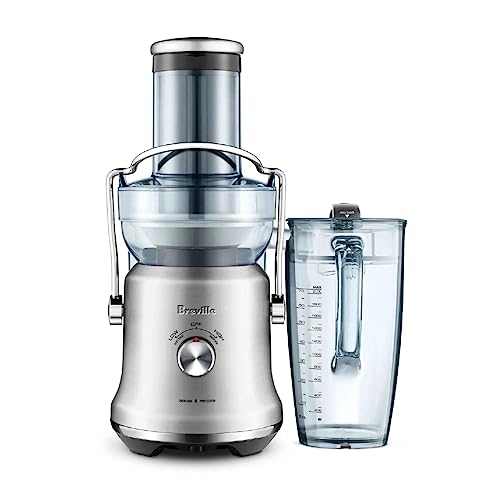
Find the perfect juicer for your kitchen with our comparison of top-rated centrifugal, masticating, and citrus juicers. We break down pros, cons, and price ranges to help you choose the best juicer for your budget and needs.

A budget-friendly masticating juicer that balances performance and ease of cleaning. Find out if it's the right choice for your daily juice routine.
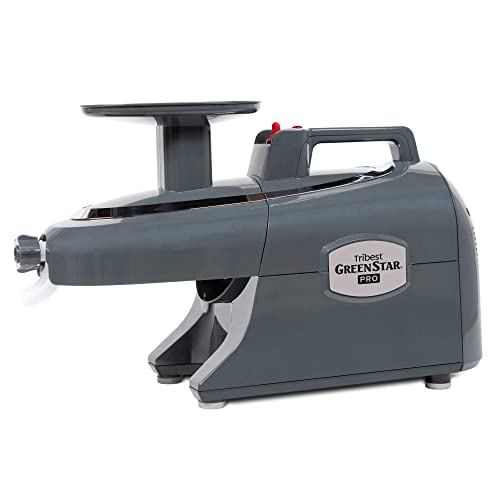
An honest look at the Tribest Greenstar twin gear juicer: who it's for, real specs, performance, cleaning, and how it compares to alternatives.

The Hamilton Beach Big Mouth is a wide-mouth centrifugal juicer that handles whole fruits and vegetables with less prep. It is easy to use and clean, but it has some trade-offs in juice yield and noise. This review covers who it suits, real specs, performance, and alternatives.

An honest look at the Mueller Juicer: who it is for, standout features, real-world performance, ease of use, cleaning, value, pros and cons, and how it compares to close alternatives.

A thorough look at the Cuisinart Juice Extractor: who it's for, real specs, performance, cleaning, and how it stacks up against similar juicers.

An honest look at the Ninja Cold Press Juicer: who it’s for, standout features, real specs, performance, ease of use, cleaning, value, pros and cons, and how it compares to close alternatives.

A detailed look at the Omega MM900HDS masticating juicer: who it is for, real specifications, performance, ease of use, cleaning, and how it compares to alternatives.
The Omega NC900HDC is a versatile masticating juicer that excels at leafy greens and wheatgrass, but its small feed chute and slow speed may not suit everyone. Here's our honest take.
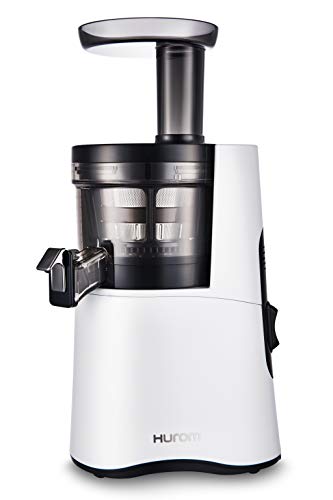
The Hurom H-AA is a premium slow masticating juicer that excels at leafy greens and soft fruits. Our editorial team compared specifications, buyer feedback, and key decision factors to help you decide if it's worth the investment.

The Nama J2 is a slow masticating juicer that has earned a massive following for its high juice yield, quiet operation, and hands-free pulp ejection. But is it worth the hype? Our editorial team compared specifications, buyer feedback, and key decision factors to help you decide if this is the right juicer for your kitchen.
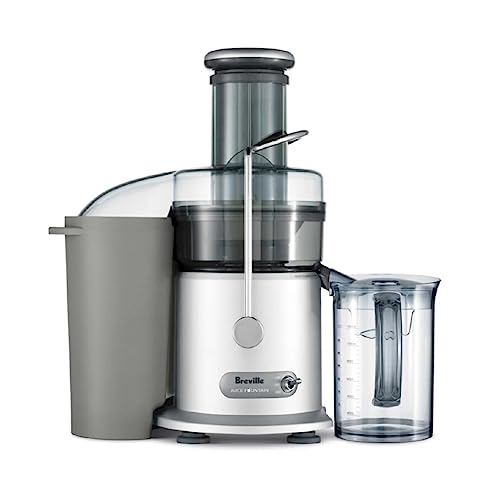
An honest look at the Breville Juice Fountain Plus for US buyers: who it's for, real specs, performance, cleaning, value, pros and cons, and how it stacks up against close alternatives.
An honest look at the Breville Juice Fountain Cold: who it’s for, real specs, performance, cleaning, and how it stacks up against top alternatives.

The Omega NC900HDS is a top-rated masticating juicer known for its exceptional durability, high nutrient retention, and versatility for making nut milks, sorbets, and more. This review breaks down its build, performance, ease of use, and value for long-term investment.
The Breville Juice Fountain Cold Plus delivers high juice yield, quiet operation, and a cold spin technology that preserves nutrients. Our editorial team compared specifications, buyer feedback, and key decision factors to see how it stacks up against other Breville models.
First, unplug it and check the pulp container and feed chute for jams. Then inspect the safety lock and reset the thermal overload. Clean the mesh filter and blades. If it still won't run, test the outlet and check the motor brushes.
Check the feed chute for clogged pulp, then inspect the blade or auger for dullness. Ensure the filter basket is clean and the pulp outlet isn't blocked. Reassemble parts correctly. If juice still won't flow, the motor may be failing. Try softer produce first.
To stop clogging, feed greens in small handfuls, alternate with firm produce like cucumber or apple, and use the low speed setting. If it still jams, reverse the auger, then clear the chute. Always cut greens into shorter pieces and remove thick stems first.
To stop a juicer from clogging, feed ingredients slowly, cut produce into small pieces, alternate soft and hard items, and add water or liquid. Clean the filter immediately after use. If clogging persists, check the blade sharpness and the mesh screen for damage.
A juicer that stops mid-use is usually overheating or jammed. Unplug it, let it cool for 30 minutes, and clear any stuck pulp. Check the safety lock and reset the thermal breaker. If it still fails, inspect the motor brushes or call a pro.
Turn off and unplug the juicer. Check the pulp container and juice jug for cracks or overfill. Inspect the lid and locking clips for debris or misalignment. Tighten the cutting disc and filter basket. Replace worn rubber gaskets or seals. Clean the spout and ensure it's fully open.
Foam is mostly air whipped into the juice by the fast-spinning blade. Slow down your feed rate, cut produce into smaller pieces, and juice leafy greens wrapped in a larger, firmer item. Adding a few drops of lemon juice or letting the juice settle for a minute also reduces foam.
Rinse parts immediately after use, then soak in warm soapy water for 5 minutes. Use a brush on mesh filters and a toothpick for tiny holes. Dry fully before reassembling. This cuts cleaning time to under 10 minutes.
Turn off and unplug the juicer. Check the pulp container and juice jug for cracks or overfilling. Inspect the sealing ring or gasket for wear, damage, or misalignment. Clean the gasket and re-seat it properly. Tighten all parts, especially the locking mechanism. If leaks persist, replace the gasket or the juicer.
Most likely, the feed chute is overloaded or the carrots are too soft. Cut carrots into smaller pieces and feed them slowly. Check the blade and screen for clogs. Clean them thoroughly. If the motor strains, let it cool down. These steps usually restore proper extraction.
Rinse parts immediately after juicing, then soak them in warm soapy water for five minutes. Use a brush to remove pulp from mesh and blades. Rinse and air dry. This routine cuts cleaning time to under ten minutes.
Feed ingredients slowly, cut produce into small pieces, and alternate soft and hard items. If clogged, unplug, disassemble, and clear the chute or filter with a brush. Run a rinse cycle after each use to prevent buildup.
Disassemble the juicer, rinse parts, then soak them in a 1:1 vinegar and warm water solution for 15 minutes. Scrub with a soft brush, rinse thoroughly, and air dry. For tough residue, increase vinegar ratio or soak longer.
Turn off and unplug the juicer. Remove the pulp container and filter basket. Inspect the rubber gasket or seal for cracks or misalignment. Replace it if damaged. Reassemble parts in the correct order, ensuring the locking mechanism clicks. Tighten the lid or locking arms. Clean the filter basket thoroughly. If leaks persist, the motor housing may be cracked.
First, check the safety interlock. Most juicers won't start unless the lid, pulp container, and feed chute are locked correctly. Also, press the reset button if present. If it still won't turn on, test the outlet and power cord. Finally, let a hot motor cool down for 15 minutes.
Is your juicer leaving you with dry pulp and little juice? Learn the most common reasons for poor extraction, step-by-step fixes, and maintenance tips to keep your juicer performing at its best.
Leaking juicers are frustrating, but most leaks are fixable at home. This guide covers common leak points like seals, pulp containers, and spouts, with DIY fixes including gasket replacement, tightening, and proper assembly. Also learn when to call a pro.