For small amounts, choose a scale with 0.01g or 0.001g readability.
- Look for low minimum weight and good repeatability.
- Calibrate regularly with a weight to maintain accuracy.
- Consider a draft shield for precise measurements.
What Makes a Kitchen Scale Accurate for Small Amounts?
Accuracy for small amounts starts with readability. A scale that reads to 0.1g is not precise enough for tiny quantities. Look for 0.01g or even 0.001g readability. Repeatability matters more than absolute accuracy. A scale that gives the same reading for the same weight is reliable. Calibration weights help maintain accuracy over time. Temperature and air currents can affect readings, so use a draft shield.
Which Type of Scale Is Best for Measuring Tiny Quantities?
Milligram scales are the best type for tiny quantities. They measure in 0.001g increments, ideal for yeast or potent spices. Jewelry scales often have 0.01g readability and are affordable. Pocket scales are portable but may lack stability. Analytical balances are laboratory-grade but expensive. For most home cooks, a 0.01g scale is sufficient. Choose a scale with a low minimum weight, often 0.05g or 0.1g.
How to Choose a Scale for Measuring Spices and Coffee
For spices, a scale with 0.01g readability is essential. It can measure a pinch of saffron or a gram of chili powder. Coffee enthusiasts need a scale that measures beans to 0.1g for consistency. Some scales have a built-in timer for pour-over brewing. Consider a scale with a removable bowl for easy cleaning. Look for a tare function to zero out containers. A backlit display helps in low light.
Best Kitchen Scales for Small Amounts: Top Picks
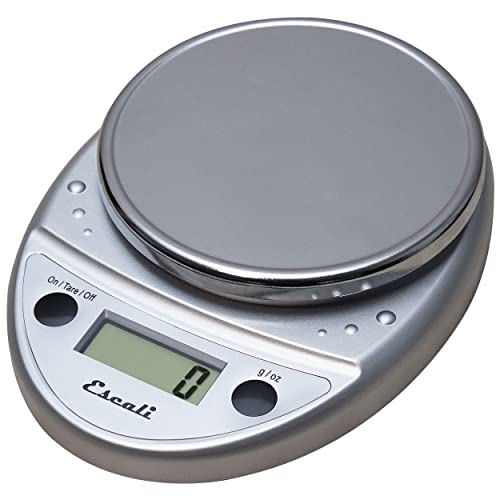
The AWS-100 Digital Scale is a top choice for 0.01g accuracy. It has a 100g capacity and a stainless steel platform. The Smart Weigh Pocket Scale offers 0.01g readability and a protective cover. The Escali Primo is reliable but only reads to 0.1g, so it's less precise. The Ozeri Pronto is another 0.1g scale, good for general use. For milligram precision, the GemPro 250 is a lab-grade option. Each scale suits different needs, from home baking to professional use.
Edge Cases: Yeast, Medications, and Micro-Dosing
For yeast, a 0.01g scale is accurate enough for most recipes. Medications require a scale with 0.001g readability and a calibration certificate. Micro-dosing supplements needs a scale that can measure 0.05g consistently. In these cases, avoid scales with high minimum weights. Look for a scale with a draft shield to prevent air currents. Always calibrate before critical measurements. Store scales in a dry place to maintain accuracy.