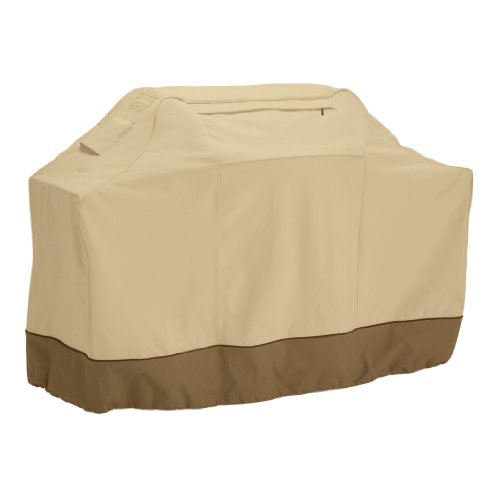
Clean your grill cover with mild soap and water, remove mold with vinegar or bleach, and store it dry and folded. This simple routine can double its life.
Your grill cover takes a beating from sun, rain, wind, and bird droppings. Over time, it can become dirty, stained, and even grow mold or mildew. But with the right care, you can keep it looking good and protecting your grill for years. This guide covers how to clean different types of grill covers, remove stubborn mold, and store them properly. Follow these steps and you will save money and avoid the hassle of premature replacement.
Why Grill Covers Get Dirty and Damaged
Grill covers are exposed to harsh conditions every day. UV rays break down the fabric, making it brittle. Rain and moisture create the perfect environment for mold and mildew. Dust, pollen, and tree sap stick to the surface. Bird droppings are acidic and can eat through the material if left too long. Even if you use your grill often, the cover sits outside when not in use, accumulating grime. Understanding these factors helps you know why regular cleaning is essential.
How to Clean Different Types of Grill Covers
Polyester Covers
Polyester is the most common material for grill covers. It is lightweight, water-resistant, and easy to clean. Here is how to clean a polyester cover:
- Remove the cover from the grill and shake off loose dirt and debris.
- Use a soft brush or cloth to sweep away any remaining dust.
- Fill a bucket with lukewarm water and add a few drops of mild dish soap or laundry detergent.
- Dip a sponge or soft cloth into the soapy water and gently scrub the entire cover, paying extra attention to stained areas.
- Rinse thoroughly with a garden hose to remove all soap residue.
- Hang the cover over a fence or clothesline to air dry completely before putting it back on the grill.
For machine washing, check the care label. If it says machine washable, use a gentle cycle with cold water and mild detergent. Never use bleach or fabric softener, as they can damage the water-resistant coating.
Vinyl Covers
Vinyl covers are heavier and more durable, but they can crack if not cared for properly. Cleaning vinyl requires a gentler approach:
- Wipe down the cover with a dry cloth to remove surface dirt.
- Mix a solution of warm water and a few drops of mild soap.
- Use a soft cloth or sponge to wash the vinyl, working in small sections.
- Rinse with clean water using a hose or a damp cloth.
- Dry with a soft towel to prevent water spots.
- Apply a vinyl protectant or conditioner to keep it flexible and prevent cracking.
Avoid using harsh chemicals, abrasive scrubbers, or pressure washers on vinyl, as they can scratch or weaken the material.
Canvas Covers
Canvas covers are breathable and eco-friendly, but they absorb moisture and can be prone to mildew. To clean canvas:
- Brush off loose dirt with a stiff brush.
- Prepare a solution of warm water and mild soap, or use a specialized canvas cleaner.
- Scrub the cover gently with a soft brush.
- Rinse thoroughly with clean water.
- Let it air dry completely in a shaded area to prevent shrinking.
- After drying, apply a water-repellent spray designed for canvas to restore its water resistance.
Canvas covers may shrink if washed in hot water or dried in a dryer, so always use cold water and air dry.
Removing Mold and Mildew from Grill Covers
Mold and mildew are common problems, especially in humid climates. They appear as black or green spots and can cause a musty smell. Here is how to remove them effectively:
- Mix a solution of one part white vinegar to three parts water in a spray bottle.
- Spray the affected areas generously and let it sit for 15 to 30 minutes.
- Scrub with a soft brush or sponge to lift the mold.
- Rinse thoroughly with water.
- For stubborn stains, make a paste of baking soda and water, apply it to the spots, and scrub gently.
- If the mold persists, use a diluted bleach solution (one part bleach to four parts water) but test on an inconspicuous area first. Do not use bleach on canvas or colored fabrics.
- After cleaning, dry the cover in direct sunlight, as UV rays help kill remaining spores.
To prevent mold from returning, ensure the cover is completely dry before storing it. Also, allow air circulation under the cover by leaving a small gap or using a pole to prop it up.
Proper Storage Tips to Extend Cover Life
Storing your grill cover correctly is just as important as cleaning it. Here are some tips:
- Always clean and dry the cover before storing it for the winter or long periods.
- Fold it loosely rather than rolling it tightly to avoid creases that can weaken the fabric.
- Store it in a cool, dry place like a garage or shed. Avoid attics or basements with high humidity.
- Keep it off the ground to prevent rodents and insects from nesting.
- If you must store it outside, use a waterproof storage bag or bin.
- During the grilling season, remove the cover periodically to let the grill and cover air out.
When to Replace Your Grill Cover
Even with excellent care, grill covers eventually wear out. Look for these signs that it is time to replace:
- Visible tears, holes, or frayed edges that cannot be repaired.
- The material has become brittle, cracked, or sticky.
- Water no longer beads up on the surface, meaning the water-resistant coating has worn off.
- Mold or mildew has penetrated the fabric and cannot be removed.
- The cover no longer fits properly, leaving gaps that expose the grill.
- It has a persistent odor that does not go away after cleaning.
If you see any of these issues, invest in a new cover. Check the current price on Amazon for a replacement that fits your grill size.
Final Thoughts
Regular cleaning and proper storage can significantly extend the life of your grill cover. By following the steps above, you will keep it looking fresh and protecting your grill for many seasons. Remember to always check the care label and use gentle methods. With a little effort, you can avoid frequent replacements and enjoy a clean, functional grill cover.