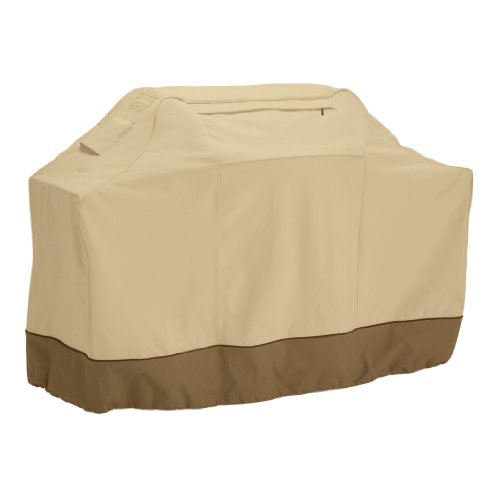
Your grill is a significant investment, and a quality cover is the first line of defense against the elements. But with so many materials on the market, how do you choose? Our editorial team compared specifications, buyer feedback, and key decision factors to help you understand the differences between polyester, vinyl, canvas, and PVC. This guide will walk you through water resistance, UV protection, breathability, and durability, so you can pick the perfect cover for your climate and grilling habits.
Why Material Matters
The material of your grill cover determines how well it protects your grill from rain, snow, sun, and wind. Each material has its own strengths and weaknesses. For example, a cover that is excellent at repelling water might trap moisture inside, leading to rust. A cover that blocks UV rays might crack in freezing temperatures. Understanding these trade-offs is essential to making an informed choice.
Your local climate and how often you use your grill play a huge role. If you live in a rainy area, you need a cover that is highly water resistant. If you grill year-round, you need a cover that can withstand frequent removal and reinstallation. Let's break down each material.
Polyester Covers
Polyester is a popular choice because it is lightweight, affordable, and easy to clean. Most polyester covers are treated with a water-resistant coating, such as polyurethane, to repel light rain. They also offer decent UV protection, though not as strong as vinyl or PVC.
Breathability is a key advantage of polyester. Many covers have vented sides or breathable fabric that allows air to circulate, reducing condensation and preventing mold and rust. However, polyester is not fully waterproof. In heavy rain, water can seep through the seams or fabric over time. It is also less durable than other materials, especially in extreme heat or cold.
Polyester is best for mild climates with moderate rain and sun. It is also a great budget option if you replace your cover every couple of years. Look for covers with a high denier rating (e.g., 600D) for extra durability.
Vinyl Covers
Vinyl covers are known for their excellent water resistance and UV protection. They are made from a thick, plastic-like material that does not absorb water, making them ideal for heavy rain and snow. Vinyl also blocks harmful UV rays, preventing fading and cracking of your grill's paint and plastic parts.
However, vinyl is not breathable. Without proper ventilation, moisture can get trapped underneath, leading to condensation and rust. Many vinyl covers include vented sides or mesh panels to mitigate this issue. Vinyl can also become stiff and crack in freezing temperatures, so it is not the best choice for very cold climates.
Vinyl covers are heavier and more durable than polyester, but they can be harder to fold and store. They are a good choice for rainy or snowy regions with moderate temperatures. If you opt for vinyl, ensure it has adequate vents.
Canvas Covers
Canvas, often made from cotton or a cotton-polyester blend, is a traditional material that offers a classic look and excellent breathability. It is naturally water resistant when treated with a waterproofing agent, but it requires regular reapplication to maintain effectiveness. Canvas is also highly UV resistant, protecting your grill from sun damage.
The main downside of canvas is its weight and maintenance. It is heavier than polyester and can absorb water if the treatment wears off, making it heavy and prone to mold. Canvas also takes longer to dry. However, it is extremely durable and can last for years with proper care.
Canvas covers are ideal for dry, sunny climates where breathability is important and rain is infrequent. They are also a good choice for those who prefer a natural, rugged aesthetic. Be prepared to reapply waterproofing spray every season.
PVC Covers
PVC (polyvinyl chloride) is a heavy-duty plastic material that offers the highest level of water resistance and UV protection. PVC covers are completely waterproof, making them perfect for torrential rain and snow. They also block virtually all UV rays, preventing any sun damage to your grill.
Like vinyl, PVC is not breathable, so ventilation is critical. Many PVC covers come with vents or are designed with a loose fit to allow air circulation. PVC is also very durable and can withstand extreme temperatures, though it may become brittle in very cold weather.
PVC covers are the most expensive and heaviest option. They are best for extreme climates with heavy precipitation and intense sun. If you live in a region with harsh winters or frequent storms, a PVC cover might be worth the investment. Just make sure it has proper vents to avoid moisture buildup.
Climate and Usage Recommendations
Choosing the right material depends on your specific conditions. Here are some general recommendations based on climate and how often you use your grill.
Mild and Rainy Climates
If you live in a temperate area with moderate rain, a polyester cover with a water-resistant coating is a good balance of cost and protection. Look for one with taped seams and vents. For heavier rain, consider vinyl or PVC.
Hot and Sunny Climates
In sunny regions, UV protection is crucial. Vinyl and PVC offer the best UV blocking. Canvas also works well if you reapply waterproofing, but it may fade over time. Polyester with a UV-resistant treatment is a budget-friendly option.
Cold and Snowy Climates
For freezing temperatures and snow, vinyl or PVC are ideal because they are waterproof and can handle heavy snow loads. However, check that the material remains flexible in cold weather. Canvas can also work if you keep it dry, but it may absorb moisture and freeze.
Frequent Grillers
If you use your grill often, you need a cover that is easy to remove and replace. Polyester is lightweight and easy to handle. Canvas is heavier but still manageable. Vinyl and PVC are bulkier and may be more of a hassle, but they offer superior protection.
Frequently Asked Questions
What is the most durable grill cover material?
Vinyl and PVC are generally the most durable, offering excellent water resistance and UV protection. However, they are less breathable, which can trap moisture. Canvas is also durable but requires regular waterproofing. Polyester is durable but less effective in extreme conditions.
Are grill covers waterproof or water resistant?
Most covers are water resistant, meaning they repel light rain. Fully waterproof covers, often made of vinyl or PVC, can handle heavy rain but may trap condensation. Look for covers with vented sides to reduce moisture buildup.
How do I clean and maintain my grill cover?
Use mild soap and water, rinse thoroughly, and let it dry completely before storing. Avoid harsh chemicals. Reapply waterproofing treatments to canvas covers periodically. Check for tears and mold, and replace if needed.
In summary, there is no single best material. Your choice should be based on your local weather, how often you grill, and your budget. For most people, a high-quality polyester cover with vents offers a good balance. If you face extreme conditions, invest in vinyl or PVC. And if you value breathability and a classic look, canvas is a solid choice. Always check the current price on Amazon to find the best deal for your needs.