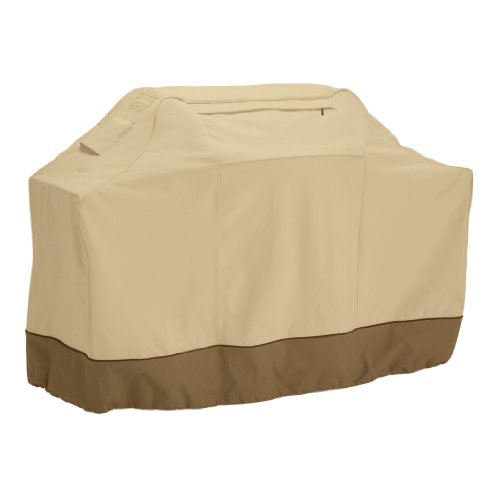
Fading happens because UV rays break down polymers in cheap fabric. Upgrade to a UV-stabilized cover, apply a UV protectant spray, and clean it regularly.
Grill covers are your first line of defense against the elements, but after a few months of sun, many start to look washed out and chalky. This fading is not just cosmetic. It signals that the fabric is degrading, which can lead to cracks, tears, and water leaks. Understanding why fading happens and how to prevent it will save you money and keep your grill protected for years.
Why Grill Covers Fade
Fading is primarily caused by ultraviolet (UV) radiation from the sun. UV rays break down the chemical bonds in the polymer fibers of the cover, especially in materials like polyester or vinyl. This breakdown leads to color loss and a loss of structural integrity.
UV Exposure and Material Quality
The most significant factor is the quality of the material. Cheap covers often use low-grade dyes and lack UV stabilizers. These stabilizers, like hindered amine light stabilizers (HALS), absorb or neutralize UV radiation. Without them, the fabric degrades rapidly. High-end covers use solution-dyed acrylic or polyester with UV inhibitors, which resist fading much longer.
Another factor is the color of the cover. Dark colors absorb more UV and may fade faster than lighter colors, but they also hide dirt better. However, the material's inherent UV resistance matters more than color.
Environmental Factors
Pollution, salt spray (if you live near the coast), and acid rain can accelerate fading by weakening the fabric. Bird droppings and tree sap can also cause localized discoloration if left on the surface.
How to Prevent Grill Cover Fading
Follow these steps to extend the life of your grill cover and keep it looking sharp.
- Choose a UV-resistant cover. When buying a new cover, look for materials like solution-dyed acrylic, polyester with UV coating, or vinyl with UV inhibitors. Brands like Classic Accessories and Weber offer covers with warranties against fading.
- Apply a protective spray. Use a UV protectant like 303 Aerospace Protectant or a fabric guard. Spray it on a clean, dry cover and let it cure. Reapply every 2 to 3 months, especially before summer.
- Clean regularly. Dirt and grime can hold moisture and chemicals that accelerate fading. Gently brush off debris and wipe with a mild soap solution. Rinse thoroughly and let it dry completely before storing.
- Store indoors when not in use. If you have space, store the cover in a garage or shed during long periods of non-use, especially in winter. This reduces sun exposure dramatically.
- Use a cover with a light color. Lighter shades reflect more UV, reducing heat buildup and slowing fading. Tan or light gray covers often last longer.
- Consider a cover with a lifetime warranty. Some premium covers offer warranties that cover fading. If yours fades prematurely, you can get a replacement.
When to Replace a Faded Grill Cover
If your cover is more than 3 years old and shows significant fading, check for brittleness or cracks. If you can poke a finger through it or see thin spots, it's time to replace it. A faded cover that still repels water might be okay, but if it leaks or tears, it's no longer protecting your grill.
Product Recommendations for UV-Resistant Covers
Our editorial team compared specifications, buyer feedback and key decision factors to recommend these UV-resistant covers.
Classic Accessories Veranda Grill Cover
This cover features a solution-dyed polyester fabric with a water-repellent backing and UV protection. It has a 5-year warranty against fading and defects. Customers report it holds up well in harsh sun.
Weber Premium Grill Cover
Weber's cover is made from durable, UV-resistant polyester with a waterproof backing. It includes a 5-year warranty and is designed to fit Weber grills perfectly. Users praise its sturdy construction and fade resistance.
Duck Covers Ultima Grill Cover
The Ultima line uses a heavy-duty 600D polyester with a UV-resistant coating. It comes with a 10-year warranty, one of the longest in the industry. Reviewers note it stays vibrant after years of sun exposure.
When shopping, check the product description for terms like "UV-stabilized," "solution-dyed," or "fade-resistant." Also, read reviews from customers in sunny climates to gauge real-world performance.
Maintenance Tips for Longevity
Regular maintenance is key. After cleaning, apply a fabric conditioner to keep the material flexible. Avoid using harsh chemicals or pressure washers, which can strip protective coatings. Also, ensure the cover is completely dry before folding to prevent mold and mildew, which can also cause discoloration.
If you live in an area with intense sun, consider using an umbrella or awning to shade your grill during peak hours. This reduces UV exposure even when the cover is on.
Frequently Asked Questions
How long should a grill cover last before fading?
A quality UV-resistant cover can last 3 to 5 years before noticeable fading. Cheaper covers may fade within one season. Proper care and storage can extend lifespan.
Can I use a fabric protectant on my grill cover?
Yes, products like 303 Aerospace Protectant or Scotchgard can add a UV barrier. Apply to a clean, dry cover and reapply every few months for best results.
Is a faded grill cover still effective?
Fading indicates UV damage, which weakens the fabric and reduces water resistance. If the cover becomes brittle or tears, it's time to replace it.