If your flea treatment isn't working, the most common causes are incorrect application, product resistance, re-infestation from the environment, bathing your pet too soon, or using the wrong product. Check application technique, switch active ingredients if resistance is suspected, treat your home and yard, and follow label instructions carefully.
Why Your Flea Treatment Is Failing
Flea treatments are designed to kill fleas quickly, but when they don't work, pet owners often feel frustrated and helpless. The problem is rarely the product itself; it is usually how it is used or what happens after application. Our editorial team compared specifications, buyer feedback and key decision factors to identify the top reasons for flea treatment failure. Understanding these reasons is the first step to solving the problem.
The most common reasons include:
- Incorrect application of topical treatments, such as applying to the fur instead of the skin, or not parting the hair properly.
- Resistance to the active ingredient, especially if the same class of insecticide has been used for a long time.
- Re-infestation from the environment, including your home, yard, or other pets.
- Bathing too soon after applying a topical treatment, washing off the product before it can work.
- Wrong product for your pet's weight, species, or the severity of the infestation.
How to Fix Each Problem
Here are step-by-step solutions for each common cause. Follow these numbered tips to get your flea treatment back on track.
- Check your application technique. For spot-on treatments, part the fur at the base of the neck (between the shoulder blades) and apply directly to the skin. Avoid applying on thick fur or on the top of the head where the pet can lick it off. For sprays, ensure you cover the entire body, especially the belly and legs. Read the label twice before applying.
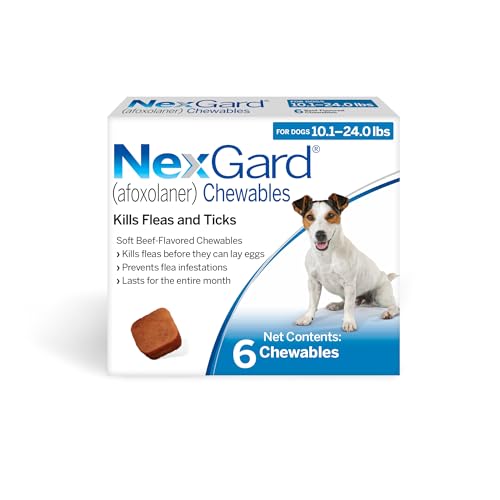
- Switch active ingredients if resistance is suspected. If you have been using a product with permethrin, fipronil, or imidacloprid for months with no effect, try a newer class like isoxazolines (e.g., fluralaner, afoxolaner) or spinosad. Consult your vet for a product that is effective in your region. Rotating between different chemical classes can prevent resistance.
- Treat the environment thoroughly. Fleas lay eggs that fall off your pet into carpets, bedding, and furniture. Vacuum daily and dispose of the vacuum bag. Wash pet bedding in hot water weekly. Use an environmental flea spray or fogger that contains an insect growth regulator (IGR) to kill eggs and larvae. Treat your yard with outdoor flea products if your pet goes outside.
- Wait the proper time before bathing. Most topical treatments need 24-48 hours to absorb and spread. Do not bathe your pet for at least 48 hours after application. If your pet gets wet from rain or swimming, reapply as directed on the label. For oral treatments, bathing is fine anytime.
- Choose the right product for your pet. Ensure the product is labeled for your pet's species (dog or cat) and weight range. Some dog products are toxic to cats. For heavy infestations, consider a prescription oral medication from your vet, which works faster and is not affected by bathing. Also, treat all pets in the household simultaneously to prevent cross-infestation.
When to Replace Your Flea Treatment
If you have addressed all the above issues and still see live fleas after 48 hours, it may be time to replace your flea treatment. Signs that you need a new approach include:
- Fleas are still active and jumping on your pet after three days.
- Your pet is scratching excessively or developing skin irritation.
- You find flea dirt (black specks) or eggs in the fur despite regular treatment.
- You have used the same product for more than three months with no improvement.
When replacing, choose a product with a different active ingredient. Consult your veterinarian for recommendations based on your pet's health and local flea patterns. Also, consider combining a topical or oral treatment with a flea collar or environmental control for comprehensive protection.
Remember that flea control is a multi-step process. No single product can eliminate fleas if the environment is not treated. Be patient and consistent. With the right approach, you can break the flea life cycle and keep your pet comfortable.
For more details on specific products, check the current price on Amazon and read buyer feedback to see what works for others in similar situations.