Flea infestations can make your dog miserable, leading to itching, skin infections, and even tapeworms. Many pet owners turn to natural flea remedies hoping to avoid chemicals. But do these remedies actually work? Our editorial team compared specifications, buyer feedback and key decision factors for common natural treatments. This guide evaluates diatomaceous earth, apple cider vinegar, essential oils, and cedar oil for efficacy and safety, and advises when to see a veterinarian.
Why Consider Natural Flea Remedies?
Natural flea remedies appeal to owners who worry about side effects from conventional pesticides. Some natural options may offer mild repellent properties or help soothe irritated skin. However, the reality is that most natural remedies have limited scientific backing for killing fleas or breaking the flea life cycle. Fleas reproduce rapidly, so relying solely on weak treatments can allow an infestation to worsen. Understanding the pros and cons of each remedy helps you make an informed choice. Additionally, many owners appreciate the lower environmental impact of natural products and the ability to control what goes on their pet's skin. But it is important to have realistic expectations: natural does not always mean effective, and the safety profile of some natural substances can be misleading.
Common Natural Flea Remedies
Diatomaceous Earth
Diatomaceous earth (DE) is a fine powder made from fossilized algae. It works by absorbing the waxy outer layer of fleas, causing them to dehydrate and die. Only food-grade DE should be used around pets. Sprinkle it lightly on your dog's coat (avoiding eyes and nose) and on carpets. Leave for a few hours, then vacuum thoroughly. While DE can kill adult fleas, it does not affect eggs or larvae. It may also irritate your dog's lungs if inhaled. Many users report mixed results, and DE is not as effective as conventional treatments. For best results, apply DE to dry fur and avoid wet areas, as moisture reduces its effectiveness. Reapply after your dog gets wet or after vacuuming. Some owners use DE in the yard, but it must be reapplied after rain.
Apple Cider Vinegar
Apple cider vinegar (ACV) is often diluted with water (typically one part ACV to three parts water) and sprayed onto a dog's coat. The theory is that the smell and taste repel fleas. However, there is no evidence that ACV kills fleas or prevents infestations. Some dogs find the smell unpleasant, and ACV can irritate broken skin. At best, it may offer a very mild repellent effect for a short time. It is not a reliable flea control method. Additionally, ACV should not be used on open wounds or raw skin, as it can sting and delay healing. If your dog has flea allergy dermatitis, ACV may worsen the irritation.
Essential Oils
Essential oils like lavender, peppermint, eucalyptus, and tea tree are sometimes used as flea repellents. However, many essential oils are toxic to dogs, especially when ingested or applied in high concentrations. Tea tree oil can cause neurological issues, and pennyroyal oil is particularly dangerous. If you choose to use essential oils, they must be heavily diluted in a carrier oil (e.g., coconut or olive oil) and never applied near the mouth or eyes. Even then, efficacy is low. The American Kennel Club advises caution and recommends consulting a holistic veterinarian before use. Some commercial natural flea sprays contain essential oils at safe dilutions, but always check the label and avoid products with oils known to be toxic to dogs, such as pennyroyal, wintergreen, and pine.
Cedar Oil
Cedar oil is derived from cedar trees and is considered one of the more effective natural flea repellents. It can kill fleas on contact and may repel them for a short period. Cedar oil is generally safe for dogs when properly diluted, but it can cause skin irritation in some pets. It should not be used on cats. While cedar oil can help reduce flea numbers, it is not as long-lasting or powerful as conventional spot-on treatments or oral medications. Cedar oil sprays often need to be reapplied every 24 to 48 hours, especially if the dog goes outside or gets wet. Some owners use cedar oil in the environment, such as on bedding or in a diffuser, but ensure the dog cannot ingest concentrated oil.
Safety Concerns and Risks
Natural does not always mean safe. Diatomaceous earth can cause respiratory issues if inhaled. Apple cider vinegar can irritate skin and eyes. Essential oils, especially when undiluted or used on small dogs, can lead to toxicity symptoms like drooling, vomiting, or even seizures. Cedar oil can cause allergic reactions. Additionally, natural remedies are not regulated by the FDA, so product quality varies. Always do a patch test on a small area of skin and monitor your dog for any adverse reactions. Never use natural remedies on puppies, pregnant dogs, or dogs with health conditions without veterinary approval. Also, be aware that some natural products may interact with medications or exacerbate existing skin conditions. If you notice any signs of discomfort, discontinue use immediately and consult your vet.
Integrated Flea Management
Relying solely on natural remedies is rarely enough to control a flea infestation. An integrated approach combines multiple strategies for better results. Start by regularly vacuuming carpets, furniture, and your dog's bedding to remove flea eggs and larvae. Wash bedding in hot water weekly. Use a flea comb on your dog daily to remove adult fleas and monitor the infestation level. In the yard, keep grass short and remove debris where fleas may hide. Consider using nematodes (microscopic worms) in the soil to target flea larvae outdoors. If natural remedies are part of your plan, rotate them to prevent fleas from adapting, but always have a conventional treatment on hand for severe outbreaks. Remember that prevention is easier than treatment, so consider year-round flea prevention with vet-approved products, especially in warm climates.
When to See a Vet
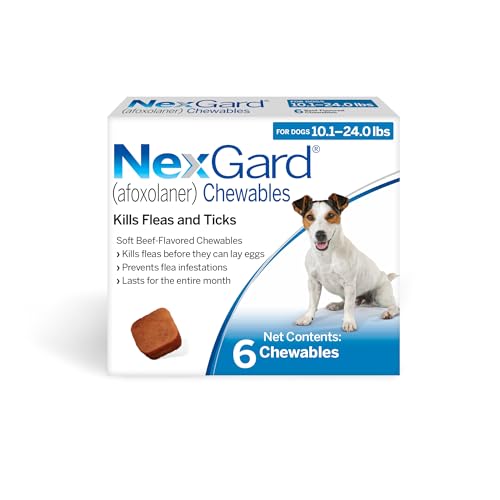
If your dog has a heavy flea infestation, shows signs of flea allergy dermatitis (severe itching, hair loss, scabs), or develops skin infections, consult your veterinarian. Also see a vet if your dog is very young, old, or has a medical condition. A vet can recommend safe, effective flea treatments such as oral medications (e.g., spinosad, afoxolaner) or topical products (e.g., fipronil, selamectin). These treatments are backed by research, have proven safety profiles, and can break the flea life cycle. For mild infestations, you might try a natural approach first, but be prepared to escalate if the problem persists. Remember, preventing fleas is easier than treating an established infestation. Your vet can also help rule out other causes of itching, such as allergies or mites, which may mimic flea problems.
Final Thoughts
Natural flea remedies can be part of an integrated flea management plan, but they are rarely sufficient on their own. Diatomaceous earth and cedar oil offer some killing power, while apple cider vinegar and essential oils are mostly repellent with limited efficacy. For the health and comfort of your dog, combine natural methods with regular vacuuming, washing bedding, and, if needed, conventional treatments. When in doubt, always seek professional veterinary advice.