Fleas are more than a nuisance; they can cause itching, allergies, and even transmit diseases. With so many flea treatments on the market, choosing the right one for your dog can feel overwhelming. Our editorial team compared specifications, buyer feedback and key decision factors to help you make an informed choice. This guide covers the critical factors to consider: your dog's weight, age, health, lifestyle, flea severity, and the different product types available. We also include vet consultation tips and essential safety warnings.
Key Factors to Consider
Before selecting a flea treatment, evaluate your dog's individual needs. Here are the most important factors:
- Weight: Most treatments are dosed by weight. Using an incorrect dose can be ineffective or dangerous. Always weigh your dog accurately and choose a product that matches their weight range.
- Age: Puppies and senior dogs have different tolerances. Some products are not safe for puppies under a certain age (e.g., 8 weeks for many oral medications). Check the label for age restrictions.
- Health: Dogs with medical conditions (e.g., epilepsy, kidney or liver disease) may need special consideration. Some ingredients can interact with other medications or worsen health issues.
- Lifestyle: If your dog swims frequently or gets bathed often, a topical treatment may wash off. Oral treatments or water-resistant collars might be better. For dogs that spend time with other pets, consider products that are safe for multi-pet households.
- Flea severity: For an active infestation, you may need a fast-acting oral treatment combined with environmental control. For prevention, a monthly topical or a long-lasting collar may suffice.
Types of Flea Treatments
Flea treatments come in three main forms: oral, topical, and collars. Each has pros and cons.
Oral Flea Treatments
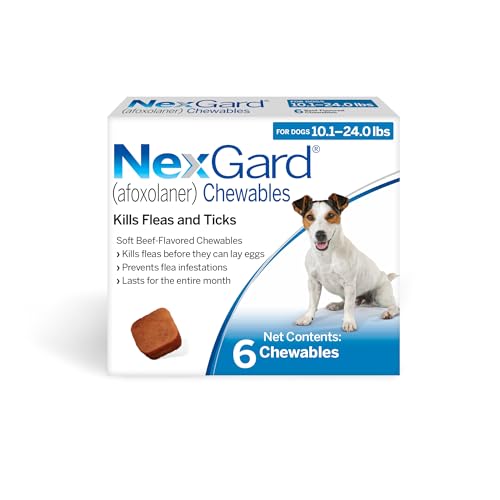
Oral medications are given as chewable tablets or pills. They work quickly (often within hours) and are not affected by water or bathing. Popular options include NexGard (afoxolaner), Bravecto (fluralaner), and Simparica (sarolaner). Oral treatments are ideal for dogs with skin sensitivities or those who swim often. However, they require a prescription from a veterinarian and may cause gastrointestinal upset in some dogs.
Topical Flea Treatments
Topical treatments are applied to the skin, usually between the shoulder blades. They are absorbed into the skin and spread through the body's oils. Brands like Frontline Plus (fipronil + (S)-methoprene), Advantage II (imidacloprid + pyriproxyfen), and K9 Advantix II (imidacloprid + permethrin + pyriproxyfen) are common. Topicals are easy to apply and often kill fleas at multiple life stages. Some also repel ticks. However, they can be washed off if the dog gets wet shortly after application, and some dogs may have skin reactions.
Flea Collars
Flea collars release active ingredients over time, providing long-lasting protection (up to 8 months for some). Seresto (flumethrin + imidacloprid) is a popular option. Collars are convenient and water-resistant. They are best for prevention rather than treating an active infestation. Some dogs may develop skin irritation under the collar, and collars can be a choking hazard if not fitted properly.
Vet Consultation Tips
Consulting your veterinarian is a crucial step in choosing a flea treatment. Here are some tips for a productive discussion:
- Bring your dog's medical history: Include any known allergies, medications, and chronic conditions.
- Discuss your dog's lifestyle: Mention swimming, bathing frequency, time spent outdoors, and exposure to other animals.
- Ask about local flea patterns: Your vet may know which flea species are common in your area and which products work best.
- Inquire about combination products: Some treatments also protect against ticks, heartworms, or intestinal worms, which can simplify prevention.
- Request a prescription if needed: Many oral treatments require a prescription. Your vet can provide one if appropriate.
Safety Warnings
Flea treatments are generally safe when used correctly, but there are important safety considerations:
- Never use dog products on cats: Some ingredients, especially permethrin, are toxic to cats. Always check the label and keep dogs and cats separate after application if needed.
- Follow dosage instructions exactly: Using too much can cause poisoning. Too little may be ineffective.
- Monitor for side effects: Common side effects include skin irritation, drooling, vomiting, or lethargy. If severe, contact your vet immediately.
- Be cautious with multiple products: Using more than one flea treatment at a time can lead to overdose. Stick to one product unless directed by a vet.
- Keep products away from children: Store flea treatments out of reach. Wash hands after applying topical treatments.
- Check for recalls: Occasionally, flea treatments are recalled due to safety issues. Check the FDA or manufacturer website for updates.
Choosing the right flea treatment requires careful consideration of your dog's unique profile. By weighing the factors above and consulting your veterinarian, you can select a safe and effective option. Remember to check the current price on Amazon for the products you consider.