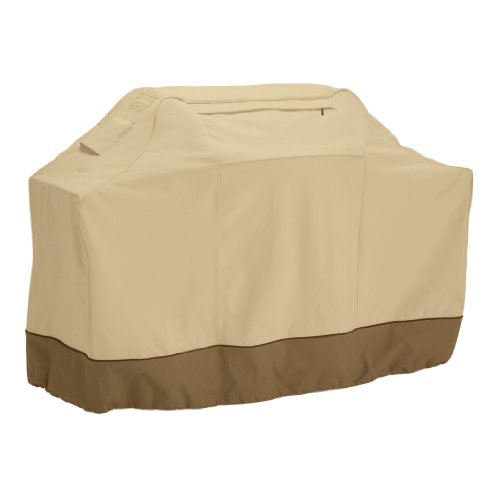
Clean your grill cover with mild soap and water, scrub mold with vinegar or bleach solution, rinse, dry completely, and apply a fabric waterproofing spray. Replace if torn or no longer repels water.
Your grill cover takes a beating from sun, rain, wind, and even bird droppings. Over time, dirt and moisture can lead to mold, mildew, and fabric breakdown. But with the right cleaning routine, you can extend its life and keep it looking sharp. Our editorial team compared specifications, buyer feedback, and key decision factors to bring you this practical guide.
Why Grill Covers Get Dirty and Damaged
Grill covers face harsh conditions every day. UV rays break down the fabric's fibers, making them brittle. Rain and humidity create a damp environment that encourages mold and mildew growth. Dust, pollen, and tree sap stick to the surface, and if you don't clean it regularly, that grime can become embedded.
Another common issue is improper storage. Folding a dirty cover while it's still damp can trap moisture, leading to a musty smell and mildew stains. Even if you clean it, if you don't dry it completely before storing, you're inviting trouble.
Different materials react differently to cleaning. Polyester covers are lightweight and easy to clean, but they can be damaged by harsh chemicals. Vinyl covers are waterproof but can crack if exposed to extreme temperatures. Canvas covers are heavy and durable but need special treatment to maintain their water resistance.
How to Clean Different Grill Cover Materials
Cleaning a Polyester Grill Cover
Polyester is the most common material for grill covers. It's affordable, UV-resistant, and relatively easy to care for. Here's how to clean it:
- Remove the cover from the grill and shake off loose debris.
- Brush off any caked-on dirt with a soft-bristled brush.
- Fill a bucket with warm water and add a few drops of mild dish soap or a gentle laundry detergent.
- Use a sponge or soft cloth to wipe down the entire surface, working in sections.
- Pay extra attention to creases and seams where dirt accumulates.
- Rinse thoroughly with a garden hose to remove all soap residue.
- Hang the cover over a fence or clothesline to air dry completely. Avoid direct sunlight for long periods, as UV rays can weaken the fabric.
For machine washing, check the care label. If it says machine washable, use a gentle cycle with cold water and mild detergent. Never use bleach or fabric softener, as they can degrade the waterproof coating.
Cleaning a Vinyl Grill Cover
Vinyl covers are fully waterproof and easy to wipe down, but they require gentle handling to avoid cracking. Do not put vinyl in the washing machine. Instead:
- Wipe off loose dirt with a dry cloth or brush.
- Mix a solution of warm water and a few drops of dish soap.
- Use a soft sponge or cloth to clean the surface, working in small sections.
- For stubborn stains, use a vinyl cleaner or a mixture of baking soda and water.
- Rinse with clean water using a hose or a damp cloth.
- Dry with a soft towel to prevent water spots.
- Apply a vinyl protectant (like Armor All) to keep it supple and prevent cracking.
Avoid using abrasive scrubbers or strong solvents, as they can scratch or dissolve the vinyl surface.
Cleaning a Canvas Grill Cover
Canvas covers are heavy-duty and breathable, but they require more effort to clean. They are often treated with a water-repellent finish that can wear off over time. Here's how to clean them:
- Brush off dry dirt with a stiff brush.
- Spot-clean stains with a mixture of warm water and mild soap.
- For a full clean, fill a tub or large container with lukewarm water and add a gentle detergent.
- Submerge the cover and gently agitate it with your hands. Do not wring or twist.
- Rinse thoroughly until no soap remains.
- Allow it to air dry completely, preferably flat or hanging, but avoid direct sunlight.
- After drying, apply a canvas waterproofing spray to restore water repellency.
Canvas can shrink if washed in hot water, so always use cold or lukewarm water.
Removing Mold and Mildew from Grill Covers
Mold and mildew are common problems, especially in humid climates. They appear as black or green spots and produce a musty odor. If left untreated, they can weaken the fabric and cause permanent stains. Here's how to remove them:
- Take the cover to a well-ventilated area, preferably outdoors.
- Use a stiff brush to remove loose mold spores.
- Prepare a cleaning solution: mix one part white vinegar with three parts water. For stubborn mold, use a solution of 1/4 cup bleach per gallon of water (test on an inconspicuous area first).
- Apply the solution to the affected areas with a spray bottle or sponge.
- Let it sit for 15 to 20 minutes to penetrate the mold.
- Scrub gently with a soft brush or sponge.
- Rinse thoroughly with clean water.
- Dry the cover completely in the sun. Sunlight helps kill remaining mold spores.
- If mold persists, repeat the process or consider a commercial mold remover.
Always wear gloves and protective eyewear when handling bleach solutions.
Waterproofing Treatments for Grill Covers
Many grill covers come with a waterproof coating, but it wears off over time. To keep your cover effective, you can reapply a waterproofing treatment. Here's how:
- Clean and dry the cover thoroughly before applying any treatment.
- Choose a fabric waterproofing spray suitable for your cover's material. For polyester and canvas, look for a silicone-based or fluoropolymer spray. For vinyl, use a vinyl protectant.
- Hold the spray can about 6 to 8 inches from the surface and apply an even coat, covering the entire outer surface.
- Pay extra attention to seams and stitching, which are prone to leaking.
- Allow the treatment to dry completely, following the manufacturer's instructions.
- Apply a second coat if recommended.
Reapply the waterproofing treatment every 6 to 12 months, or after heavy cleaning.
Proper Storage to Extend Cover Life
When not in use, proper storage can prevent damage. Follow these tips:
- Make sure the cover is completely dry before folding or storing. Any moisture can lead to mold.
- Fold the cover loosely to avoid creases that can weaken the fabric.
- Store it in a cool, dry place away from direct sunlight. A garage or shed is ideal.
- If you store it outside, use a storage bag or container to protect it from dust and pests.
- During the off-season, clean the cover before storing to remove any dirt or debris.
When to Replace Your Grill Cover
Even with proper care, grill covers eventually wear out. Here are signs that it's time to replace:
- Visible tears, holes, or broken seams that allow water to reach the grill.
- The fabric has become brittle or cracked, especially on vinyl covers.
- Water no longer beads up on the surface; it soaks in immediately.
- Mold or mildew returns quickly even after thorough cleaning.
- The cover no longer fits properly, leaving gaps that expose the grill.
- Fading or discoloration that indicates UV damage.
When replacing, consider a cover with a longer warranty or a thicker material for better durability.
Final Thoughts
Regular cleaning and maintenance can double the life of your grill cover. By following the steps above, you'll keep it looking good and protecting your investment. Always check the care label for specific instructions, and when in doubt, test any cleaning product on a small area first.
Remember, a clean grill cover not only extends its own life but also keeps your grill in better condition by preventing moisture buildup. So take the time to care for it, and it will care for your grill.