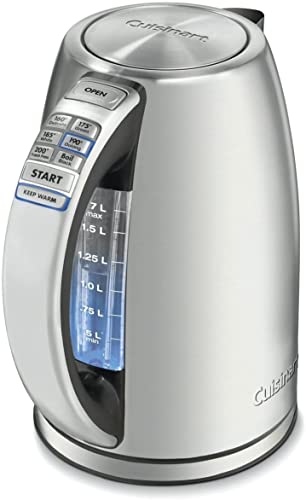
Boiling eggs in an electric kettle is quick and energy-efficient.
- Use room-temperature eggs and enough water to prevent cracking.
- Let eggs sit in hot water after boiling for perfect doneness.
- Choose a kettle with a wide opening and stainless steel interior for best results.
- Always cool eggs in an ice bath to make peeling easier.
How to Boil Eggs in an Electric Kettle
Start with room-temperature eggs to prevent cracking. Place them gently in the kettle. Add cold water until eggs are fully submerged, about an inch above. Turn on the kettle and let it boil. The kettle will switch off automatically once boiling. Leave eggs in the hot water for 10-12 minutes for hard-boiled. For soft-boiled, wait 6-8 minutes. Then transfer eggs to an ice bath to stop cooking.
What to Look For When Boiling Eggs in a Kettle
Choose a kettle with a wide opening for easy access. A transparent window helps you monitor water level. Kettles with a keep-warm function maintain temperature after boiling. Ensure the kettle has an auto-shutoff feature for safety. Stainless steel interiors are easier to clean than plastic. Check the kettle's capacity; most hold 1.7 liters, enough for 4-6 eggs.
Best Electric Kettles for Boiling Eggs
The COSORI Electric Kettle features a wide opening and quick boil. Its stainless steel interior resists stains. The Hamilton Beach Electric Kettle has a keep-warm setting, ideal for eggs. For budget options, the Mueller Kettle offers simplicity and durability. The Secura Electric Kettle includes a mesh filter, which can hold eggs. Each model has a capacity of at least 1.5 liters. Owners report consistent results with these kettles.
Safety Tips for Boiling Eggs in a Kettle
Never overfill the kettle; leave room for boiling water to expand. Avoid using eggs that are cracked, as they may leak. Do not leave the kettle unattended during boiling. Use a spoon to remove eggs, never your fingers. Unplug the kettle before cleaning. Always dry the kettle thoroughly after washing to prevent damage.
Common Mistakes and How to Avoid Them
One mistake is boiling eggs too long, leading to rubbery whites. Another is placing cold eggs into boiling water, causing cracks. Forgetting to add enough water can burn the eggs. Using a kettle with a narrow spout makes removal difficult. Skipping the ice bath makes peeling harder. Avoid using a kettle that has a plastic interior, as it may absorb odors.