Limescale forms from hard water minerals; boiling accelerates it.
- Descale weekly with vinegar or citric acid, and rinse thoroughly.
- Prevent by using filtered water, emptying after use, and choosing a kettle with a filter.
Why Does Limescale Build Up in Kettles?
Limescale is mostly calcium carbonate, a mineral left behind when hard water evaporates. Hard water contains high levels of dissolved calcium and magnesium. When you boil water, these minerals precipitate out and stick to the heating element. The hotter the water, the faster the buildup. Frequent boiling without emptying the kettle accelerates the process. Even a thin film can reduce heating efficiency and shorten the kettle's life.
How to Descale a Kettle: Step-by-Step
Start by unplugging the kettle and letting it cool completely. Mix equal parts white vinegar and water, filling the kettle about halfway. Boil the solution, then let it sit for 30 minutes. Pour out the liquid and scrub the interior with a soft brush or cloth. Rinse thoroughly with fresh water, then boil clean water twice to remove any vinegar taste. For stubborn deposits, use citric acid powder instead, following the package instructions. Never use harsh abrasives, as they can scratch the surface and trap more scale.
How to Prevent Limescale from Returning
Use filtered or bottled water with lower mineral content. Empty the kettle after every use instead of leaving water to sit. Wipe the interior dry with a cloth to remove residual moisture. Consider a kettle with a built-in filter or a limescale filter in the spout. Some models have a descaling indicator light that reminds you when to clean. Adopting these habits can extend the time between deep cleans significantly.
When Should You Replace Your Kettle Instead of Descaling?
If the heating element is completely encrusted and descaling doesn't improve performance, replacement is safer. A kettle that takes much longer to boil or switches off prematurely may have permanent scale damage. Visible rust or pitting inside the kettle means it's time for a new one. Also, if the kettle leaks or the lid no longer seals properly, replace it. Check the warranty; some brands cover scale-related defects for a limited period.
Are There Kettles That Resist Limescale Better?
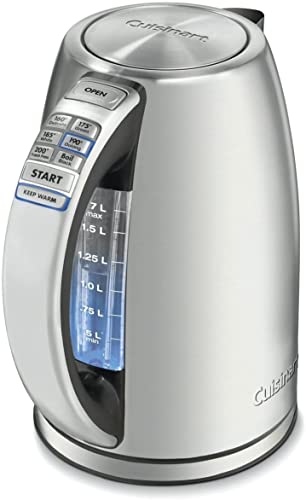
Yes, some kettles are designed to minimize buildup. Look for models with a concealed heating element, which is easier to clean. Kettles with a limescale filter in the spout trap particles before they reach your cup. Stainless steel interiors are more resistant to scale than plastic. Some brands offer a 'descaling-friendly' design with wide openings for easy access. Reading owner reviews can reveal which models actually stay cleaner longer.