Reader-supported: we earn a commission on some links, at no extra cost to you. It never changes our picks. How this works
KettlesProblem / fix

How to Clean a Kettle with Baking Soda

Mix two tablespoons of baking soda with water, fill the kettle, boil, then let it sit for 30 minutes. Scrub with a soft sponge, rinse thoroughly, and boil fresh water twice to remove any residue.

Our top pick
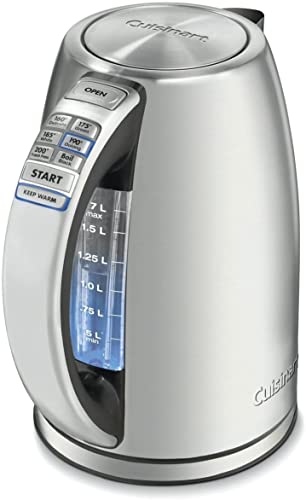
Cuisinart CPK-17 PerfecTemp
★★★★★ 4.7
Check price on Amazon
Read the full guide →

Use two tablespoons of baking soda and water, boil, and soak for 30 minutes.

  • Rinse thoroughly and boil fresh water twice to remove residue.
  • Prevent buildup by using filtered water and emptying the kettle after each use.
  • Replace the kettle if the element is corroded or it leaks.

Why does my kettle get limescale?

Limescale forms when hard water is heated. Calcium and magnesium minerals precipitate out of the water. They stick to the heating element and interior surfaces. Over time, this buildup reduces heating efficiency and can affect taste. Frequent use with hard water accelerates the process.

How do I clean my kettle with baking soda?

First, empty the kettle and rinse it with fresh water. Add two tablespoons of baking soda to the kettle. Fill it halfway with water, then bring it to a boil. Turn off the kettle and let the solution sit for 30 minutes. Pour out the mixture and scrub the interior with a soft sponge or cloth. Rinse thoroughly with clean water. Finally, boil fresh water twice and discard it to remove any remaining baking soda taste.

What if the limescale is stubborn?

For heavy buildup, increase the baking soda to four tablespoons. Let the solution sit overnight instead of 30 minutes. You can also repeat the process if needed. Avoid using metal scrubbers, as they can scratch the surface. A plastic or nylon brush works better for tough spots.

How can I prevent limescale from building up?

Use filtered or distilled water to reduce mineral content. Empty the kettle after each use to prevent standing water. Wipe the interior dry with a clean cloth. Clean the kettle monthly with baking soda, even if no scale is visible. Consider a descaling product designed for kettles if you have very hard water.

When should I replace my kettle instead of cleaning it?

Replace the kettle if the heating element is corroded or pitted. If the kettle leaks or the lid no longer seals properly, it's time for a new one. Persistent off-tastes or odors after cleaning indicate a problem. If the kettle takes significantly longer to boil, the element may be failing. Check the power cord for damage, and replace if frayed.

Common questions

Is baking soda safe for all kettle types?

Yes, baking soda is safe for stainless steel, glass, and plastic kettles. It's mildly abrasive, so use a soft cloth. Avoid using it on aluminum kettles, as it can cause discoloration.

How often should I clean my kettle with baking soda?

Clean monthly if you have hard water. For soft water, every three months is sufficient. Regular cleaning prevents heavy buildup.

Can I use baking soda and vinegar together?

Yes, but not at the same time. They react and neutralize each other. Use one method, rinse, then the other if needed. Vinegar is more acidic, while baking soda is alkaline.

Does baking soda remove limescale effectively?

Baking soda is effective for light to moderate limescale. For heavy scale, use a stronger descaling agent like citric acid. Baking soda also helps remove odors and stains.

Will baking soda damage the heating element?

No, baking soda is gentle and won't damage the element. However, avoid scrubbing the element directly with abrasive tools. Let the solution soak instead.

How do I get rid of the baking soda taste after cleaning?

Rinse the kettle thoroughly with fresh water. Boil a full kettle of water and discard it. Repeat this process two or three times until the taste is gone.

Can I clean a kettle with baking soda and lemon?

Yes, lemon adds a fresh scent and extra acidity. Mix baking soda with lemon juice and water. Boil and soak as usual. This combination works well on stubborn scale.

Is it necessary to descale a kettle?

Yes, descaling improves performance and extends the kettle's life. Limescale insulates the heating element, making it work harder. This increases energy use and can lead to failure.

More in this topic

More in Kettles

See the full guide →