Use only stovetop-safe kettles made of stainless steel, enameled steel, or aluminum.
- Never put electric kettles or non-rated glass or ceramic kettles on a stove.
- Match the kettle base to the burner size and avoid boiling dry.
- For induction stoves, choose a magnetic stainless steel or cast iron kettle.
What Types of Kettles Can You Use on a Stove?
Stovetop kettles are designed for direct heat. They come in stainless steel, enameled steel, aluminum, and sometimes copper. Stainless steel is durable and heats evenly. Enameled steel resists rust and is easy to clean. Aluminum heats fast but can react with acidic water. Copper conducts heat superbly but is pricey. Check the bottom for a flat, smooth surface to ensure good contact with the burner.
Which Kettles Should You Never Put on a Stove?
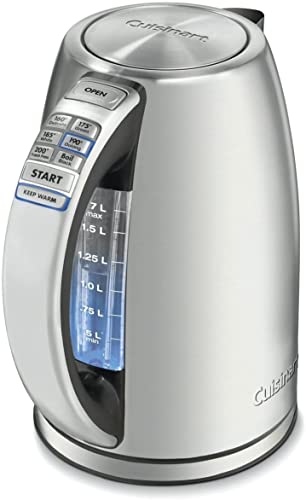
Electric kettles have heating elements and plastic bases. They are not safe for stovetop use. The plastic will melt and the element may short-circuit. Glass kettles without a stovetop rating can shatter from thermal shock. Ceramic kettles may crack unless labeled flameproof. Always read the manufacturer's instructions before heating.
How to Boil Water Safely in a Stovetop Kettle
Fill the kettle with the amount of water you need. Do not overfill; leave room for boiling expansion. Place it on the stove over medium to high heat. Use a burner that matches the kettle's base size to avoid hot spots. Listen for the whistle or watch for steam. Turn off the heat as soon as it boils to save energy.
What Are the Best Stovetop Kettles for Different Stoves?
For gas stoves, any flat-bottomed kettle works. For electric coil stoves, a heavy stainless steel kettle distributes heat well. For glass-ceramic cooktops, use a kettle with a perfectly flat base to avoid scratching. Induction stoves require magnetic stainless steel or cast iron. The Secura Stainless Steel Whistling Kettle is a popular choice for gas and electric. The Cuisinart Aura is induction-ready and has a polished finish.
Can You Boil Water in a Kettle on a Stove? Common Mistakes to Avoid
Never leave a kettle unattended while heating. Boiling dry can damage the kettle and start a fire. Avoid using a kettle with a loose or damaged handle. Do not immerse a stovetop kettle in water if it has a whistle that is not removable. Clean mineral deposits regularly with vinegar to maintain performance.