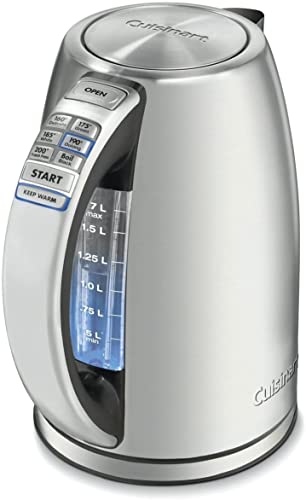
A kettle that won't switch off is a safety hazard; unplug it immediately.
- Limescale is the most common cause; descale with vinegar or citric acid.
- If cleaning doesn't fix it, replace the kettle or call a professional.
Why won't my kettle switch off?
A kettle that won't switch off is usually a safety hazard. The automatic shut-off relies on steam sensing or a bimetallic strip. Limescale buildup is the top culprit, as it insulates the sensor. A faulty thermostat or a worn switch mechanism can also cause it. Sometimes, a blocked spout or lid prevents steam from reaching the sensor. Electrical faults, like a short circuit, are less common but possible.
How to fix a kettle that won't switch off
Unplug the kettle and let it cool completely before any work. Descale the interior with a 50/50 water and white vinegar solution. Boil the solution, let it sit for 30 minutes, then rinse thoroughly. If the switch is sticky, clean around it with a dry cloth. Check the spout and lid for any obstructions. Test the kettle with fresh water. If it still won't switch off, the thermostat may need replacement, which is a job for a professional.
How to prevent this from happening again
Use filtered water to reduce mineral buildup. Descale your kettle every one to three months, depending on water hardness. Avoid overfilling, as boiling water can force steam away from the sensor. Clean the spout and lid regularly. Replace the kettle if you notice any damage to the cord or plug. Regular maintenance extends the life of the appliance.
When to replace your kettle or call a professional
If descaling and cleaning don't solve the issue, the kettle is unsafe to use. A faulty auto shut-off can cause a fire or scalding. Check if the kettle is under warranty; many brands offer free repairs. If the kettle is over five years old, replacement is often cheaper than repair. Call a qualified electrician if you suspect an electrical fault. Never attempt to open the base or heating element yourself.
Is it safe to use a kettle that doesn't switch off?
No, it is not safe. A kettle that boils continuously can overheat and damage the heating element. It may melt the plastic parts or cause a fire. It also wastes energy and can scald you with steam. Always unplug it immediately and address the issue. Never leave a faulty kettle unattended. Your safety is more important than saving a few dollars on a repair.