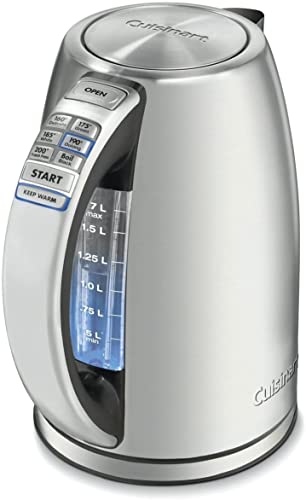
Regular descaling with vinegar or citric acid prevents limescale buildup.
- Clean the exterior with mild soap or baking soda to avoid scratches.
- Use filtered water and empty the kettle after each use to reduce mineral deposits.
- Replace the kettle if you notice leaks, burning smells, or persistent scale.
Why Does My Stainless Steel Kettle Get Dirty?
Mineral deposits from hard water cause limescale buildup. This appears as white or chalky spots inside the kettle. The exterior collects fingerprints, grease, and water spots from daily handling. Boiling water concentrates minerals, making scale worse over time. Even stainless steel can discolor from heat or harsh cleaners.
How to Clean the Inside of a Stainless Steel Kettle
Start by unplugging the kettle and letting it cool completely. Mix equal parts water and white vinegar, filling the kettle halfway. Boil the solution, then let it sit for 30 minutes to dissolve scale. Pour out the solution and rinse the kettle thoroughly with fresh water. For heavy buildup, repeat the process or use citric acid instead. Never use abrasive scrubbers, as they can scratch the stainless steel surface.
How to Clean the Outside of a Stainless Steel Kettle
Wipe the exterior with a soft cloth dipped in warm soapy water. For stubborn fingerprints, use a stainless steel cleaner or a paste of baking soda and water. Apply the paste gently with a microfiber cloth, following the grain of the steel. Rinse with a damp cloth and dry immediately to prevent water spots. Avoid chlorine-based cleaners, which can damage the protective layer.
How to Prevent Limescale and Stains
Use filtered or distilled water to reduce mineral buildup. Empty the kettle after each use instead of leaving water standing. Descale monthly or more often if you have hard water. Wipe the exterior regularly to remove oils and dirt before they bake on. Consider a kettle with a hidden heating element, as it is easier to clean.
When to Replace or Call a Professional
If your kettle still has scale after multiple cleanings, the heating element may be damaged. A burning smell or unusual noise during boiling signals a serious problem. Check the power cord for cracks or fraying. If the kettle leaks, replace it immediately. Most kettles last three to five years with proper care. For electric kettles, never submerge the base in water; if it gets wet, let it dry completely before using.