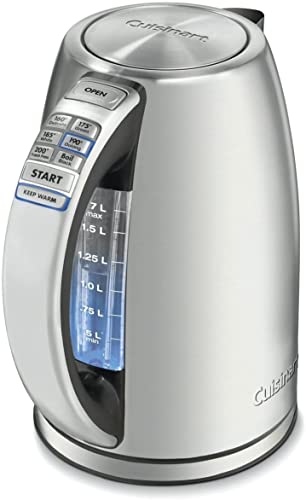
Clean your kettle with vinegar or citric acid to dissolve limescale.
- Prevent scale by emptying the kettle and using filtered water.
- Replace the kettle if you see corrosion, leaks, or persistent taste issues.
Why does limescale build up inside a stainless steel kettle?
Limescale forms when hard water, rich in calcium and magnesium, is heated. The minerals precipitate and stick to the kettle's interior. Frequent boiling accelerates the buildup. Even soft water leaves some scale over time. The white or chalky deposits are harmless but affect taste and efficiency.
How to clean a stainless steel kettle with vinegar
Mix equal parts white vinegar and water in the kettle. Boil the solution and let it sit for 30 minutes. Pour out the liquid and scrub with a soft sponge or cloth. Rinse the kettle thoroughly with fresh water. Boil plain water once or twice to remove any vinegar smell. Never use abrasive scrubbers that can scratch the surface.
How to clean a stainless steel kettle with citric acid
Dissolve one to two tablespoons of food-grade citric acid in a full kettle of water. Boil the solution and let it soak for 15 to 20 minutes. Discard the liquid and wipe the interior with a non-abrasive cloth. Rinse well with clean water. Citric acid is more effective on heavy scale than vinegar. It leaves no odor, making it a popular choice.
How to clean a stainless steel kettle with baking soda
For stubborn stains or discoloration, make a paste of baking soda and water. Apply the paste to the interior with a soft cloth. Gently scrub in circular motions, then rinse thoroughly. Baking soda is mildly abrasive but safe for stainless steel. It neutralizes odors and lifts residue. Avoid using it on electric kettles with exposed heating elements unless the manufacturer allows it.
How to prevent limescale and keep your kettle clean
Empty the kettle after each use to avoid standing water. Use filtered or distilled water to reduce mineral content. Descale your kettle monthly if you have hard water. Wipe the interior dry after cleaning. Some kettles have removable filters that trap scale; clean these regularly. Regular maintenance extends the kettle's lifespan.
When to replace your stainless steel kettle
Replace the kettle if the heating element is corroded or pitted. If the kettle leaks, it is unsafe to use. A persistent metallic taste or flaking scale may indicate damage. Check the power cord and base for wear on electric models. If cleaning fails to restore performance, it is time for a new kettle.