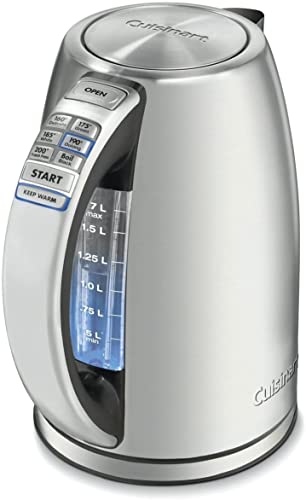
Descale with a 50/50 vinegar and water solution, boil, and soak for 20 minutes.
- Rinse and boil fresh water twice to remove any vinegar aftertaste.
- Prevent scale by emptying the kettle after use and descaling monthly in hard water areas.
- Replace the kettle if it leaks, has electrical issues, or scale remains after descaling.
Why does my kettle get limescale?
Limescale forms when hard water, rich in calcium and magnesium, is heated. Heat causes these minerals to precipitate and stick to surfaces. The more you boil, the thicker the layer becomes. Even soft water areas see some scale over time. Frequent boiling accelerates buildup, especially if you leave water in the kettle between uses.
How to descale a kettle with vinegar or citric acid
Start by unplugging the kettle and letting it cool completely. Mix equal parts white vinegar and water, filling the kettle about halfway. Boil the solution, then switch off and let it soak for 20 to 30 minutes. Pour out the liquid and rinse the kettle thoroughly with fresh water. Boil clean water twice and discard it to eliminate any residual taste. For stubborn scale, repeat the process or use a commercial descaler.
What not to use when descaling
Avoid abrasive scrubbers or steel wool; they scratch the surface and encourage future scale. Do not use bleach or harsh chemical cleaners, as they can leave toxic residues. Never descale a kettle while it is plugged in or still hot. Also, check the manufacturer’s instructions; some kettles have a non-stick coating that requires special care.
How to prevent limescale buildup
Empty the kettle after each use and dry the interior with a cloth. Use filtered or bottled water if your tap water is very hard. Descale monthly if you live in a hard water area. Some kettles have a removable filter that catches scale; clean that filter regularly. Consider a kettle with a built-in descaling indicator or a limescale filter.
When to replace your kettle instead of descaling
If the kettle leaks, has a damaged heating element, or the switch fails, replace it. Descaling won’t fix electrical faults. If the scale is so thick that descaling doesn’t remove it, the kettle may be beyond saving. Also, if you notice a metallic taste after descaling, the interior may be corroded. Check the warranty; some manufacturers cover scale damage.