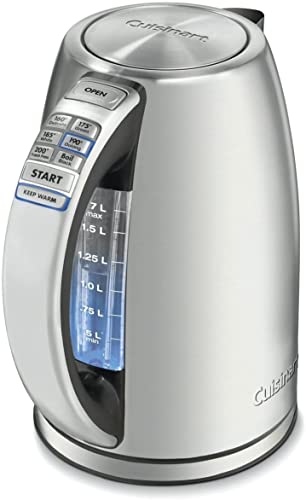
Bottom leaks are usually caused by a worn seal, limescale, or a cracked base.
- Always unplug and dry the kettle before inspecting or repairing.
- Descaling with vinegar can fix leaks caused by limescale buildup.
- If the base is cracked or the seal is broken, replace the kettle for safety.
- Prevent leaks by using filtered water, descaling regularly, and avoiding overfilling.
Why Does an Electric Kettle Leak from the Bottom?
Bottom leaks usually come from a failed seal or a cracked base. The heating element sits under the floor of the kettle. A rubber gasket seals it. Over time, that gasket can dry out or shift. Limescale buildup can also force water past the seal. Another cause is a hairline crack in the stainless steel or plastic base. Dropping the kettle or rapid temperature changes can create such cracks. Some kettles have a visible seam where the base meets the body. That seam can open if the kettle is overfilled or if the lid is not sealed.
How to Fix a Kettle That Leaks from the Bottom: Step-by-Step
Start by unplugging the kettle and letting it cool completely. Empty all water and dry the exterior. Inspect the base for visible cracks or damage. If you see a crack, do not attempt a DIY repair. For a suspected seal issue, try descaling first. Mix equal parts white vinegar and water, fill the kettle, and boil. Let it sit for 20 minutes, then rinse thoroughly. If the leak persists, the gasket may be the culprit. Some kettles allow access to the seal from underneath. Remove the base plate screws carefully. Check the gasket for wear, cracks, or flattening. Replace the gasket with a compatible part if available. Many kettles are not user-serviceable. In that case, the safest fix is to replace the kettle entirely.
How to Prevent Bottom Leaks in the Future
Use filtered water to reduce limescale buildup. Descale your kettle every one to three months. Avoid overfilling beyond the max line. Always place the kettle on a stable, flat surface. Do not let the kettle boil dry, as that can warp the base. Handle the kettle gently to avoid impact damage. Check the seal periodically for signs of wear. If you notice any moisture under the kettle, act quickly. Regular maintenance extends the life of the seal and the base.
When to Replace Your Kettle Instead of Fixing It
Replace the kettle if the base is cracked or the heating element is exposed. A leaking kettle near electrical parts is a shock hazard. If the kettle is older than five years, replacement is often more cost-effective. Look for a new kettle with a concealed heating element and a durable base. Some models have a detachable base that is easier to clean. Check the warranty before attempting any repair. If the kettle is under warranty, contact the manufacturer. Do not use a leaking kettle, as it can damage countertops and pose a safety risk.
Can You Repair a Leaking Kettle with Silicone or Epoxy?
Some owners try to patch a leak with silicone sealant or epoxy. This is not recommended for safety reasons. The heat and pressure inside a kettle can degrade these materials. Toxic chemicals may leach into the water. Even if the patch holds temporarily, it is not a reliable fix. The Food and Drug Administration does not approve such repairs for food-contact surfaces. The only safe repair is replacing the gasket or the kettle itself. If you are handy, you can find replacement gaskets for some models online. But always prioritize safety over a temporary fix.