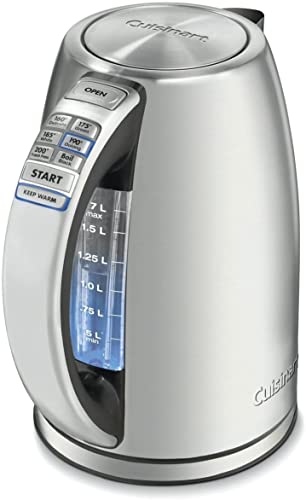
Rust forms when water sits on bare metal, so always empty and dry your kettle.
- Use vinegar or lemon juice to remove rust, then rinse and boil fresh water.
- Prevent rust by descaling weekly, using filtered water, and avoiding abrasive cleaners.
- Replace your kettle if rust has pitted the surface, as it cannot be fully cleaned.
Why Does a Kettle Rust?
Rust needs water, oxygen, and unprotected metal. Most kettles are stainless steel, but cheaper models use a thinner grade. Scratches or chips expose the iron underneath. Hard water speeds up corrosion by attacking the protective layer. Leaving water sitting overnight gives rust time to form. Even 'stainless' steel can rust if it is low-grade or poorly maintained.
How to Remove Rust from a Kettle
Start by unplugging the kettle and letting it cool completely. Fill it halfway with white vinegar or lemon juice, then top up with water. Boil the mixture and let it sit for an hour. Pour it out and scrub the rusted spots with a soft brush or cloth. Rinse thoroughly with clean water, then boil fresh water twice to remove any taste. For stubborn rust, make a paste of baking soda and water, apply it, and scrub gently.
How to Prevent Rust from Coming Back
Empty the kettle after every use and leave the lid open to air dry. Use filtered or distilled water to reduce mineral deposits. Descale weekly with vinegar or a citric acid solution. Avoid abrasive cleaners that scratch the surface. Dry the exterior too, especially around the base and spout. Store the kettle in a dry place away from steam.
When to Replace Your Kettle Instead of Fixing It
If rust has pitted the metal, it is time for a new kettle. Pits are tiny holes that trap bacteria and are impossible to clean fully. Rust flakes in your water mean the lining is compromised. Check the warranty; many kettles cover rust for a year. If the kettle is over five years old, replacement is often cheaper than repair. Look for a model with a stainless steel interior and a wide opening for cleaning.
Best Kettle Materials to Avoid Rust
Stainless steel is the most rust-resistant option if it is 18/10 grade. Glass kettles never rust, but they can crack with thermal shock. Plastic kettles are rust-free but may leach chemicals at high heat. Ceramic-coated kettles offer a non-reactive surface, but the coating can chip. Copper kettles develop a patina, not rust, but need regular polishing. Choose a kettle with a concealed heating element to reduce moisture traps.