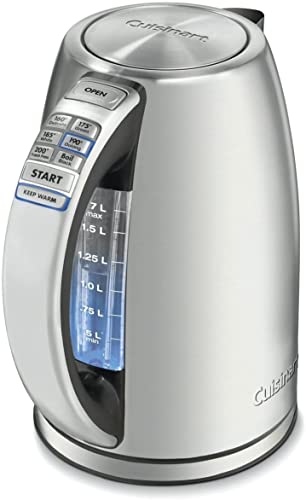
Descale your kettle regularly with vinegar or citric acid to prevent spitting.
- Fill only to the MAX line and keep the lid closed during boiling.
- If spitting persists after descaling, replace the kettle to avoid burn risks.
Why does my kettle spit when boiling?
Spitting happens when steam bubbles burst violently at the surface. The most common cause is limescale, which provides nucleation sites for rapid bubble formation. Overfilling reduces the air space above the water, so boiling water can splash out. A loose or missing lid lets steam escape sideways, carrying droplets with it. Rapid heating, especially in high-wattage kettles, can also cause vigorous boiling. Finally, a faulty thermostat may overheat the water, leading to superheating and sudden eruptions.
How to fix a spitting kettle
Start by unplugging the kettle and letting it cool completely. Empty it and fill halfway with equal parts water and white vinegar. Boil the solution, then let it sit for 20 minutes. Pour it out and rinse thoroughly with fresh water. For heavy scale, use a commercial descaler following the package instructions. Next, check the water level: fill only to the MAX line, not above. Ensure the lid is closed securely before boiling. If the spout is removable, clean it separately to remove any blockages. If spitting continues after descaling and correct filling, the thermostat may be faulty; contact the manufacturer or replace the kettle.
How to prevent kettle spitting in the future
Use filtered or distilled water to reduce mineral buildup. Descale your kettle monthly if you have hard water, or more often if you see flakes. Always fill below the maximum line, leaving at least an inch of air space. Boil only the amount you need, as smaller volumes boil more calmly. Keep the lid closed during boiling and avoid opening it until the kettle has stopped bubbling. Clean the spout and filter regularly to prevent clogs that can cause splashing. If you notice rust or cracks, replace the kettle immediately to avoid safety hazards.
When should you replace your kettle?
If spitting persists after thorough descaling and correct use, the thermostat may be failing. A kettle that spits hot water can cause burns, so err on the side of caution. Check for visible damage like cracks, rust, or a frayed power cord. If the kettle switches off before boiling or doesn't shut off at all, it's a safety risk. Most kettles last 2 to 5 years with regular use. If you've had yours longer and it's acting up, replacement is often cheaper than repair. Look for a model with a concealed heating element and a wide opening for easy cleaning.