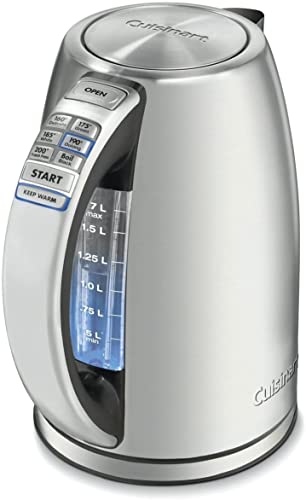
Modern kettles are safe to leave plugged in due to auto shut-off and boil-dry protection.
- Standby power is minimal, but unplugging saves a little energy and reduces surge risk.
- Inspect cords and outlets regularly to prevent fire hazards.
- Choose kettles with UL or ETL certification for verified safety.
What Happens When a Kettle Is Left Plugged In?
When plugged in but not boiling, a kettle draws a small standby current, usually under one watt. This powers indicator lights and internal electronics. The heating element stays off until you switch it on. So, no heat is generated while idle. The main risk is a faulty cord or outlet, not the kettle itself. Modern kettles have thermal cutoffs that break the circuit if overheating occurs.
Are Auto Shut-Off and Boil-Dry Protection Standard?
Most electric kettles sold today include automatic shut-off when the water reaches a boil. They also have boil-dry protection, which turns off the kettle if it is empty. These features are built into the base or the kettle body. Look for kettles with a UL or ETL certification for tested safety. According to the listings, models like the Cuisinart PerfecTemp and Hamilton Beach 40880 include these safeguards.
Which Kettle Is Safest to Leave Plugged In?
The Cuisinart CPK-17 PerfecTemp has a 30-minute keep-warm mode, but it stays on only when activated. Its auto shut-off works after boiling and when the kettle is lifted off the base. The Hamilton Beach 40880 has a cordless design, so you can unplug the base easily. For a gooseneck option, the Fellow Stagg EKG has a standby mode that uses minimal power. Owners report these kettles stay cool to the touch when idle.
What Are the Risks of Leaving a Kettle Plugged In?
The biggest risk is a damaged power cord or a loose outlet connection, which can cause arcing and heat. Water spills on the base can also create a short circuit. Leaving a kettle plugged in does not cause the element to heat unless switched on. However, a power surge could damage the electronics. Unplugging during a storm or when away for long periods is a good precaution.
How to Minimize Any Risk When Using an Electric Kettle
Inspect the cord and plug for fraying or discoloration regularly. Place the kettle on a dry, stable surface away from the edge. Avoid overfilling past the max line, as boiling water can spill onto the base. Use a kettle with a concealed heating element to prevent scale buildup. If you notice any burning smell, unplug immediately and replace the kettle.