Leaving water for up to 24 hours is safe for drinking, but longer risks bacteria and taste changes.
- Empty and dry the kettle after each use to prevent scale and mold.
- Descale monthly with vinegar or citric acid to maintain performance and hygiene.
What Happens When You Leave Water in a Kettle?
Leaving water in a kettle allows minerals to settle and form limescale. This is especially common in hard water areas. Over time, scale can affect heating efficiency and taste. Stagnant water can also harbor bacteria, though the boiling process kills most. If you leave water for more than 48 hours, consider boiling it before drinking. Owners report that fresh water tastes better and reduces maintenance.
Is It Safe for Electric Kettles?
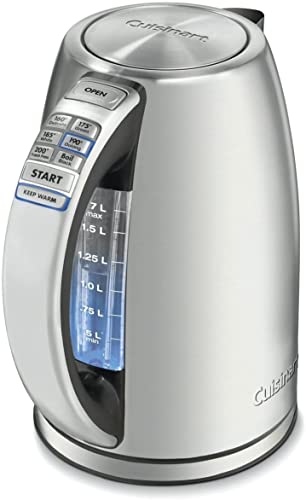
Electric kettles are safe to leave water in for short periods. The heating element is sealed, so water doesn't reach electrical parts. However, standing water can cause mineral deposits on the element. This may reduce performance and shorten lifespan. Always unplug the kettle when not in use. If you notice a metallic taste, descale and rinse thoroughly. According to the listing, most electric kettles have a water level indicator, but not a drain. Emptying via the spout is easy.
Stovetop Kettles: What to Consider
Stovetop kettles are often made of stainless steel or enamel. Leaving water in them can cause rust, especially if the enamel is chipped. Stainless steel is more resistant but can still develop scale. Whistling kettles may have a spout that traps water, leading to mold. Dry the inside after each use to prevent corrosion. If you have a copper kettle, avoid leaving water as it can react. Always check the manufacturer's care instructions.
How Long Can You Leave Water in a Kettle?
For drinking, it's best to use water within 24 hours. After that, bacteria may multiply, though boiling will kill them. For non-drinking uses like cooking, you can leave water for a couple of days. However, the taste may become flat. If you leave water for a week, you risk mold and scale. In humid climates, mold can grow faster. To be safe, empty and refill before each use.
Best Practices for Kettle Maintenance
Empty the kettle after each use to prevent scale and bacteria. Rinse with clean water and dry it upside down. Descale monthly with vinegar or citric acid. Avoid using soap, as it can leave a residue. If you have hard water, consider using filtered water. This reduces mineral buildup. Always follow the manufacturer's cleaning guidelines. Regular maintenance extends the kettle's life and keeps water fresh.