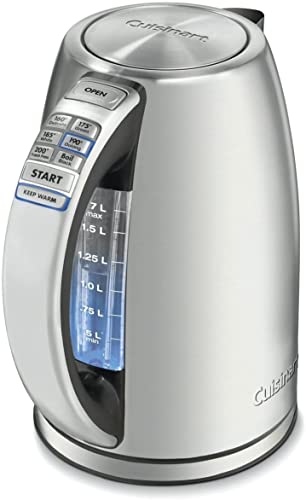
Leaving water in a kettle overnight is safe for most people if the kettle is clean.
- The main drawbacks are a stale taste and increased limescale buildup.
- Empty and dry the kettle after each use to maintain performance and hygiene.
- If you forget, simply reboil the water before drinking, but discard after 24 hours.
What Happens to Water Left in a Kettle Overnight?
Water left overnight in a kettle stays at room temperature. It may absorb a metallic or stale taste from the kettle's interior. Minerals like calcium and magnesium can precipitate, forming limescale. No harmful bacteria typically grow in a clean, closed kettle. According to the CDC, stagnant water in clean containers is low risk, but not zero. The main concern is taste, not safety.
Is Stagnant Water in a Kettle a Health Risk?
Stagnant water in a kettle is not a major health risk for most people. Bacteria need nutrients and warmth to multiply, which a clean kettle lacks. However, if the kettle has residue or is left in a warm room, microbial growth is possible. Boiling the water again kills most pathogens, making it safe. People with weakened immune systems should use fresh water each time. Always pour out old water before boiling.
How Does Overnight Water Affect Kettle Performance?
Leaving water overnight accelerates limescale buildup, especially in hard water areas. Scale reduces heating efficiency and can shorten the kettle's lifespan. It may also flake into your drink. Regular descaling with vinegar or citric acid removes scale. Some kettles have filters to catch particles, but they don't prevent buildup. Emptying the kettle after each use is the best prevention.
What Do Kettle Manufacturers Recommend?
Most kettle manuals advise against storing water in the appliance. Brands like Breville and Cuisinart recommend emptying after each use. This prevents scale and keeps the interior clean. Some models have a keep-warm function, but that's for short periods. Always follow the manufacturer's care instructions. If you forget, rinse the kettle before boiling again.
When Is It Unsafe to Leave Water in a Kettle?
It's unsafe if the kettle is damaged, has rust, or contains old water with visible particles. Water left for days can develop biofilm, a slimy layer of bacteria. In rare cases, mold can grow if the kettle is not dried. Never leave water in a kettle that has been used for non-water liquids. If you notice an off smell, discard the water and clean thoroughly.