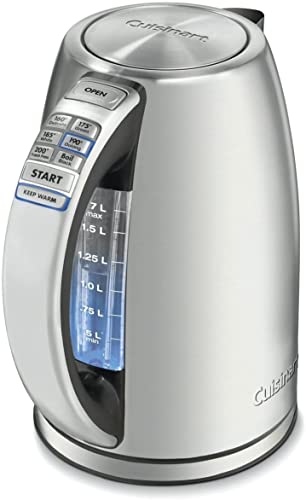
Temperature control is the most important feature for tea kettles.
- Gooseneck spouts provide precision pouring for loose leaf teas.
- Electric kettles are faster, while stovetop models are more durable.
- Choose capacity based on how many cups you brew at once.
- Consider material: stainless steel for durability, glass for visibility.
What to Look for in a Tea Kettle
Temperature control matters most for tea. Different teas need different water temperatures. Green tea prefers around 175°F, while black tea needs 212°F. Variable temperature kettles let you set exact degrees. A gooseneck spout provides a steady, thin stream. That precision helps when pouring over loose leaves. Capacity ranges from 0.8 to 1.7 liters. Choose based on how many cups you brew at once. Material affects taste and heat retention. Stainless steel is durable and neutral. Glass lets you watch the water, but it can break. Copper conducts heat well but requires more care.
Electric vs. Stovetop Kettles for Tea
Electric kettles heat water faster than stovetop models. They often include temperature presets and keep-warm functions. Stovetop kettles work on any heat source, including induction. They have no cords and take up less counter space. Electric models are more convenient for precise brewing. Stovetop kettles offer a traditional whistle and long-term durability. Owners report stovetop kettles last decades with proper care. Electric kettles typically have a shorter lifespan due to heating elements. Choose electric for speed and control. Choose stovetop for simplicity and longevity.
Best Kettle for Different Tea Types
Green and white teas need lower temperatures, around 175°F. Variable temperature kettles are essential for these. Black and herbal teas need boiling water at 212°F. Any kettle can boil water, but a gooseneck helps pour evenly. Oolong tea benefits from precise temperatures between 185°F and 205°F. A kettle with a digital display simplifies setting these ranges. Matcha requires water at about 160°F, which is below boiling. A variable temperature kettle prevents overheating. For cold brew tea, you need a kettle that boils water quickly. Then you can cool it down, but a gooseneck spout aids pouring over ice.
Best Kettle for Different Audiences
For beginners, a simple electric kettle with a single boil button is easiest. For tea enthusiasts, a variable temperature gooseneck kettle is ideal. For frequent travelers, a compact travel kettle fits in a suitcase. For large families, a 1.7-liter kettle brews multiple cups at once. For those with limited counter space, a stovetop kettle stores easily. For tech-savvy users, a smart kettle with app control offers convenience. For those on a budget, a basic stainless steel stovetop kettle is affordable. Each audience prioritizes different features, from speed to precision.
Edge Cases: Kettles for Specific Needs
If you have hard water, look for a kettle with a removable scale filter. Limescale builds up quickly and affects taste. A wide opening makes cleaning easier. For low water pressure areas, a stovetop kettle works without electricity. For camping, a portable electric kettle with a 12V plug is useful. For those with arthritis, a lightweight kettle with an ergonomic handle reduces strain. A gooseneck spout can be harder to control for some users. Consider a kettle with a cool-touch exterior for safety around children. Always check the wattage for your outlet, especially in RVs or older homes.