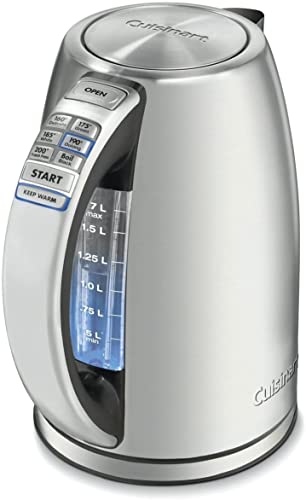
A gooseneck spout is essential for controlled pouring.
- Electric kettles with temperature control offer consistency.
- Stovetop kettles are budget-friendly and portable.
- Match the kettle to your brewer and brewing style.
- Regular descaling keeps your kettle performing well.
What Makes a Kettle Good for Pour-Over Coffee?
A gooseneck spout is essential for pour-over brewing. It delivers a thin, steady stream that saturates coffee grounds evenly. This control helps avoid channeling, where water finds paths through the coffee bed. A kettle with a narrow spout also lets you pour in circles without splashing. The handle should feel balanced and comfortable in your hand. Weight matters because you hold the kettle for several minutes. Electric kettles often include temperature control, which is useful for different beans. Stovetop kettles are simpler and rely on a thermometer for accuracy.
Electric vs Stovetop Kettles: Which Is Better for Pour-Over?
Electric gooseneck kettles heat water quickly and maintain a set temperature. They are convenient for repeat brews and precise pour-over recipes. Stovetop kettles are cheaper and do not need a power outlet. They require a thermometer or a practiced eye to gauge temperature. Many pour-over enthusiasts prefer electric for its consistency. However, stovetop models are durable and portable for camping or travel. Your choice depends on your kitchen setup and budget. Both can produce excellent coffee if you control the pour.
Key Features to Consider in a Pour-Over Kettle
Temperature control is a top feature for electric kettles. Look for a range from 135°F to 212°F, with presets for common brew temps. A built-in thermometer is essential for stovetop models. Capacity matters: 1 liter is standard, but smaller sizes suit single cups. The spout angle and diameter affect flow rate. A gooseneck with a 4-5 mm opening gives a slow, precise pour. Material influences heat retention and durability. Stainless steel is common, while copper conducts heat well. Check the base for stability and a 360-degree swivel for easy handling.
Best Pour-Over Kettles for Different Brewing Styles
For the V60, a kettle with a narrow spout and precise flow control is ideal. It allows you to pour in small circles without disturbing the bed. The Chemex benefits from a wider spout that can handle a heavier pour. For the Kalita Wave, a steady, low-flow pour is key. An electric kettle with a hold temperature feature helps maintain consistency. If you brew multiple cups, a larger capacity kettle saves time. For travel, a collapsible or stovetop kettle is more practical. Match the kettle to your brewer and routine.
Budget, Durability, and Maintenance Considerations
Prices vary widely, but you do not need the most expensive kettle for great coffee. A basic stovetop gooseneck can perform well with practice. Electric models with temperature control cost more but offer convenience. Check the build quality: welded spouts are less prone to leaks. Look for a kettle with a wide opening for easy cleaning. Scale buildup is a common issue; descale regularly with vinegar. Some kettles have a water level window, which helps avoid overfilling. Read owner reviews to gauge long-term reliability.