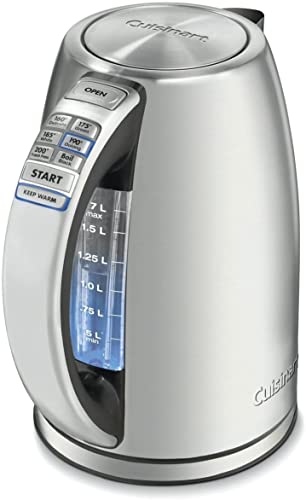
A gooseneck spout is essential for pour over control.
- Electric kettles offer temperature precision; stovetop kettles are simpler and cheaper.
- Choose capacity based on how many cups you brew.
- Consider your heat source and budget when selecting.
- Avoid kettles with plastic interiors or unstable bases.
What to Look for in a Pour Over Kettle
A gooseneck spout is essential for controlling water flow. It allows a slow, steady stream that saturates coffee grounds evenly. Look for a kettle with a narrow spout, ideally under 6 mm in diameter. Material matters: stainless steel is durable and heats evenly, while copper conducts heat faster. Capacity usually ranges from 0.9 to 1 liter, enough for a few cups. A built-in thermometer or temperature control is a plus for precision. Handle comfort and balance affect pouring accuracy. Consider weight when full; a heavy kettle can strain your wrist.
Electric vs. Stovetop: Which Is Better for Pour Over?
Electric kettles offer precise temperature control, which is key for different coffee roasts. Light roasts need hotter water around 205°F, while dark roasts do better at 195°F. Stovetop kettles require a separate thermometer and constant monitoring. Electric models are faster, often boiling water in under 5 minutes. They are also safer, with auto shut-off and boil-dry protection. Stovetop kettles are quieter and don't take up counter space. They are also more portable for camping or travel. If you value convenience and precision, electric is the way to go. For budget or simplicity, stovetop works well.
Best Pour Over Kettles for Different Needs
For most home brewers, the Fellow Stagg EKG is a top pick. It has a 1200-watt heater and precise temperature control. The gooseneck spout is narrow and designed for accuracy. It holds 0.9 liters, enough for a few cups. The built-in timer helps with brew time. It is on the pricier side but well-built.
How to Choose the Right Kettle for Your Brewing Style
Your brewing method matters. For a V60 or Chemex, a gooseneck kettle is essential. For a French press, a regular kettle is fine. If you brew multiple cups at once, choose a larger capacity. For single cups, a smaller kettle heats faster. Consider how often you brew: daily brewers benefit from electric convenience. Occasional brewers might prefer stovetop simplicity.
Common Mistakes to Avoid When Buying a Pour Over Kettle
Don't buy a kettle without a gooseneck spout. Regular kettles pour too fast and unevenly. Avoid kettles with a spout that drips after pouring. That causes mess and inconsistent coffee. Don't ignore capacity: too small means refilling, too large wastes energy. Don't skip temperature control if you brew different roasts. A thermometer is a workaround but less precise.