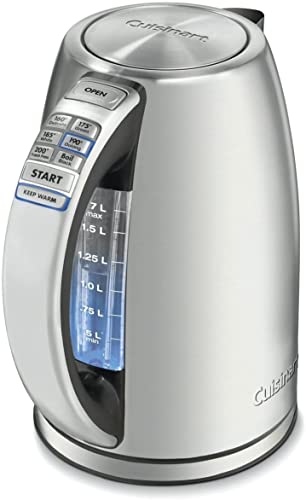
A blocked steam tube is the most common cause of a kettle not turning off.
- Unplug the kettle and clean it with vinegar to fix minor issues.
- Replace the kettle if it still won't shut off after cleaning, to avoid fire risk.
Why does my electric kettle keep boiling?
The most common cause is a blocked steam tube. This small channel directs steam to the thermostat. Limescale or debris can clog it. When blocked, the thermostat never gets hot steam. So it fails to trigger the shutoff. A faulty thermostat is another frequent culprit. Over time, the bimetallic strip can weaken. It may not bend enough to break the circuit. A worn-out switch mechanism can also stick. Finally, a damaged heating element can cause continuous heating.
How to fix a kettle that won't turn off
Start by unplugging the kettle. Let it cool completely. Check the lid and spout for visible blockages. Use a flashlight to inspect the steam tube opening. Mix equal parts white vinegar and water. Fill the kettle to the minimum line. Boil the solution, then let it sit for 30 minutes. Pour it out and rinse thoroughly. If the kettle still won't switch off, test the thermostat. You can use a multimeter to check continuity. But for most people, replacing the kettle is safer. Some models allow access to the thermostat. Unscrew the base plate to reach it. Replace the part if you have the skills.
How to prevent your kettle from boiling dry
Use filtered water to reduce limescale buildup. Descale your kettle monthly if you have hard water. Empty the kettle after each use. Don't leave water sitting inside overnight. Clean the steam tube regularly with a cotton swab. Follow the manufacturer's cleaning instructions. Avoid overfilling beyond the max line. This can force water into the steam tube. Also, avoid underfilling below the minimum. Running with too little water can overheat the element. Set a reminder to descale every few weeks.
When should I replace my kettle instead of fixing it?
If the kettle continues to boil after cleaning, replace it. A faulty thermostat is not worth repairing on cheap models. Replacement kettles cost less than a repair service. Look for signs of damage like a melted base or frayed cord. If the kettle trips your circuit breaker, stop using it. That indicates a serious electrical fault. Also, replace if the heating element shows corrosion. A kettle that takes longer to boil may have scale buildup. But if it never shuts off, safety comes first. Call a qualified electrician if you're unsure.
Can a kettle that won't turn off cause a fire?
Yes, it can be a fire hazard. A kettle that keeps boiling will eventually boil dry. Without water, the heating element can overheat. This can melt the plastic housing or ignite nearby materials. Most modern kettles have boil-dry protection. But that feature can fail too. Never leave a faulty kettle unattended. Unplug it immediately when you notice the problem. Keep it away from curtains and paper. If you smell burning, move the kettle outside. Contact a professional if you see smoke or sparks.